The Bookends That Hold the Season Together
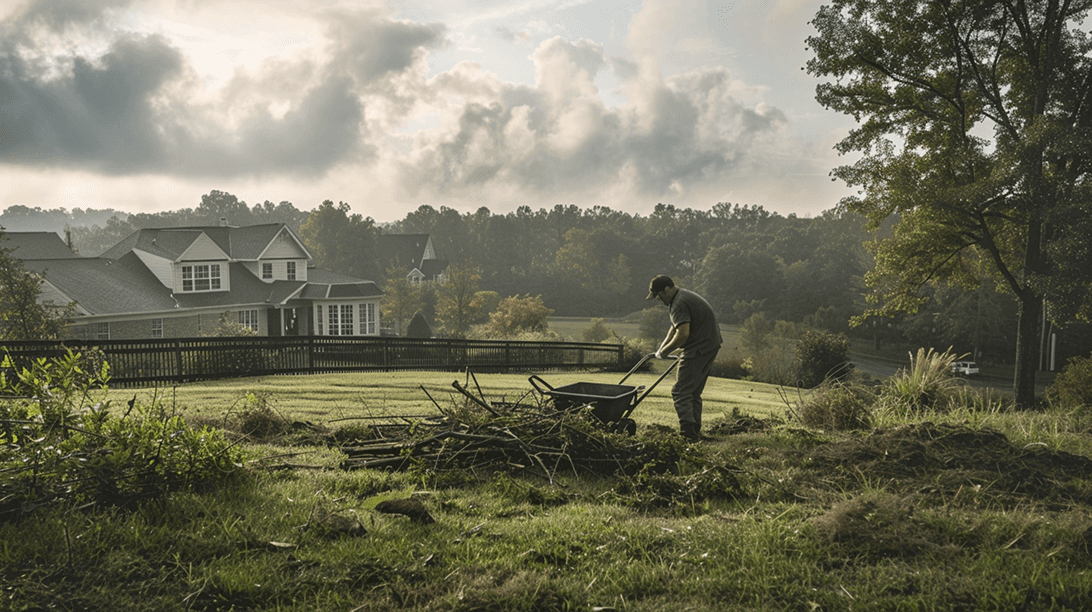
A spring property that's still wearing winter (leaves matted in beds, debris everywhere, beds undefined)
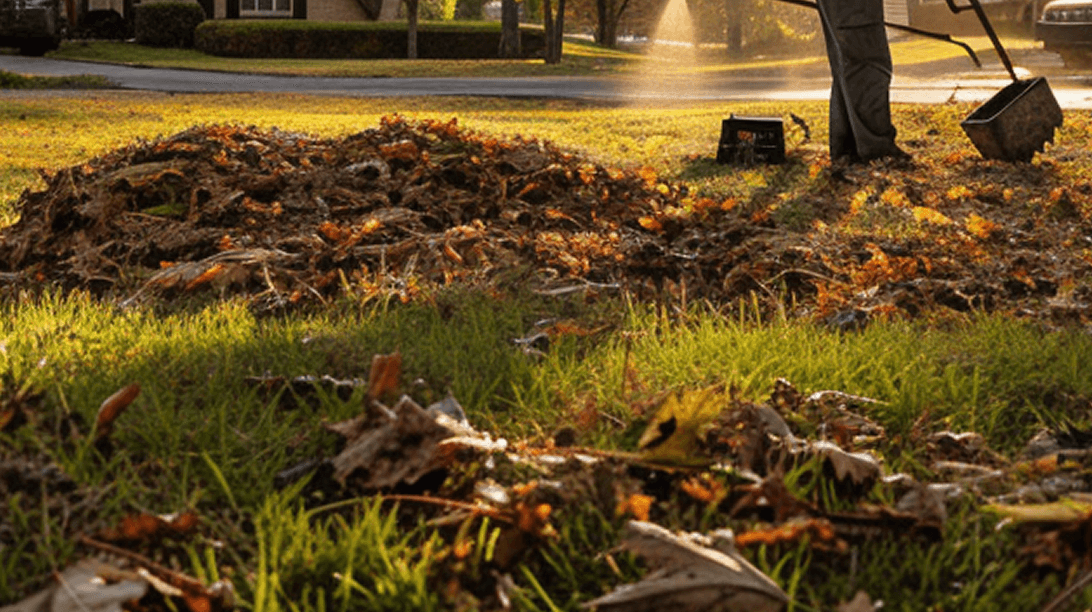
A fall property buried under leaves with winter coming fast
A property that hasn't been seasonally maintained and needs a major reset
A new home where the previous owner didn't keep up with cleanups
A pre-listing property prep where the yard needs to look established and cared for
A property going from regular weekly mowing into shoulder season needing the transition done right
A rental or second home where the owner can't handle the seasonal work themselves
These visits aren't glamorous, but they set the conditions for everything that happens during the active growing or maintenance period. The properties that look great in May or December are the ones that had a good cleanup the month before.
What's On This Page
Why Seasonal Cleanups Matter
Spring vs Fall: Two Different Jobs
What Goes Into a Cleanup Visit
Our Process
FAQs
Why Seasonal Cleanups Matter
The Bookend Visits
Think of seasonal cleanups as bookends: they hold everything else together. Without good cleanups, the active maintenance season starts behind schedule and ends in chaos.
What spring cleanups actually accomplish:
Removing winter debris. Six months of accumulated leaves, branches, wind-blown debris, and matted grass needs to come off. A property entering spring with this material still on it can't be properly evaluated, edged, or maintained.
Defining bed edges. Winter obscures every bed edge. Spring cleanup reestablishes these lines, which then hold for the whole season.
Identifying winter damage. Snow load damage, freeze damage to plants, and broken hardscape get spotted during cleanup. Repairs can be planned before the active season begins.
Setting the visual baseline. A freshly cleaned-up property in early spring is the canvas everything else happens on. Without it, the season starts looking unfinished.
Activating the soil. Removing leaf mat from the lawn lets the grass start photosynthesizing for the season. Light raking opens the soil for spring growth.
What fall cleanups actually accomplish:
Leaf removal. Lincoln gets significant leaf drop from oak, maple, hickory, and other deciduous trees. Leaves left on the lawn smother grass, create fungal disease conditions, and signal neglect. Removing them is essential.
Preventing winter problems. Leaves and debris in beds become wet mats that promote disease, attract pests over winter, and create matted conditions that grass and plants can't grow through in spring.
Plant cutback. Many perennials need to be cut back before winter to prevent disease and prepare for spring growth. The timing is specific.
Lawn winter prep. Last mowing, fall fertilization integration, irrigation winterization, all coordinated with the cleanup visit.
Visual reset. A property that goes into winter looking clean and intentional comes out of winter much easier to maintain than one buried under debris.
Setting up next spring. Most of next spring's lawn condition is determined by what happens during fall cleanup. A well-cleaned property has dramatically less spring work to do.
The compounding effect:
Properties that get consistent spring and fall cleanups look noticeably better year-over-year. Properties that skip them accumulate problems (matted areas, persistent weed pressure, declining turf, undefined beds) that take significant project work to reverse.
Spring vs Fall: Two Different Jobs
Standard Cleanup Visit Scope
Every seasonal cleanup visit follows a similar scope, with spring and fall having different priority items.
Spring cleanup typical scope:
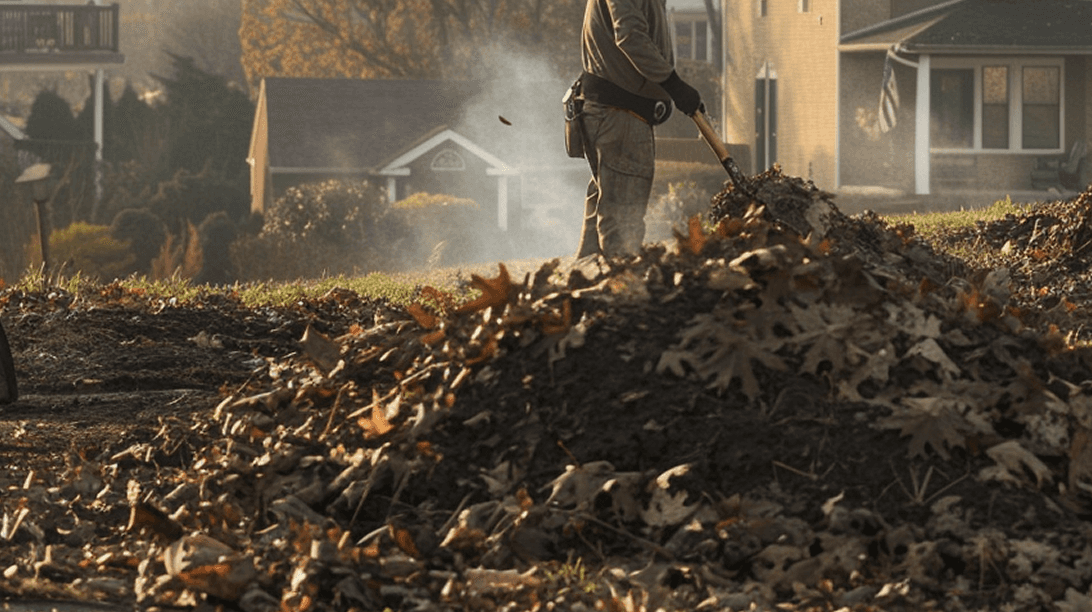
Leaf and debris removal. Any leaves, sticks, and debris remaining from fall and winter. Includes raking out beds and corners where blowers can't reach.
Bed cleanout. Removing dead plant material, last year's mulch debris, and any weeds that emerged through winter. Beds left clean and ready for fresh mulch.
Bed edge re-cutting. Spring edge re-cutting reestablishes every bed line on the property after winter has obscured them.
Lawn debris clearing. Final clearing of any debris on the lawn before active mowing season begins.
Perennial uncovering. Perennials that were left for winter interest get cut back. Spring perennials that are emerging get protected from debris and over-mulching.
Hardscape cleanup. Sidewalks, patios, driveways blown and cleaned. Any winter salt residue washed away if applicable.
Fall cleanup typical scope:
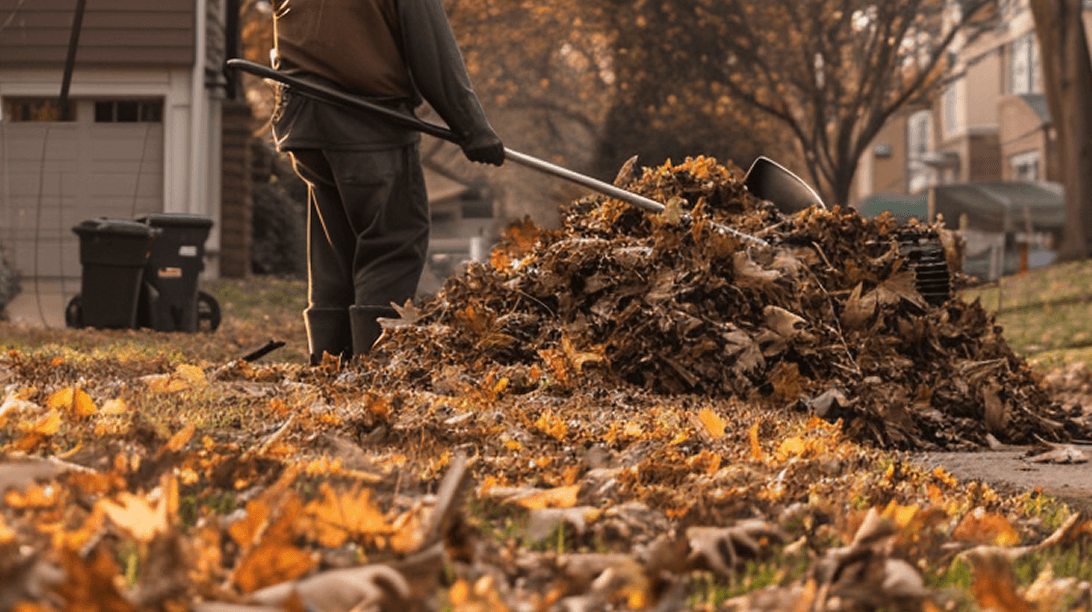
Leaf removal. The main task of fall cleanup. We mow, blow, vacuum, or rake (depending on volume and conditions) to remove all fallen leaves from lawn and beds.
Leaf processing options. Removal (hauled away), mulching (chopped into the lawn for soil benefit), or composting (collected for client's compost area).
Perennial cutback. Most perennials cut back to ground level. Some plants left standing for winter interest or wildlife (decided in consultation with client preferences).
Annual removal. All annual flowers and vegetable garden remnants removed.
Final mowing. Last cut of the season, often at slightly lower height to prepare for winter.
Bed clearing. Final bed cleanout, weed removal, and visual reset before winter.
Hardscape cleanup. Patios, decks, walkways cleared of debris and leaves.
Winter prep. Hose disconnection, garden hose drainage, irrigation winterization coordination, and any other winter prep tasks.
Optional add-ons (both seasons):
Fresh mulch installation (typical in spring after cleanup, less common in fall)
Plant removal or transplanting
Tree pruning (light only; major work referred to arborists)
Bed redesign or restoration
Aeration and overseeding (paired with fall cleanup typically)
Holiday lighting installation (paired with fall cleanup)
What Goes Into a Cleanup Visit
The Two Cleanups Are Different Services
Most homeowners think of spring and fall cleanups as the same thing happening at different times. They're actually different services with different scopes and priorities.
Spring Cleanup (typically late March to mid-April in Lincoln)
The priority is transitioning the property from winter dormancy into active growing season.
Main tasks:
Remove all accumulated leaves and debris from lawn and beds
Cut back any perennials that were left for winter interest
Clean out beds (dead plant material, last year's mulch debris, weeds)
Re-cut every bed edge on the property
Light power-rake or detatching pass if winter damage caused matting
First mowing of the season at slightly lower height to remove winter dead
Identification of any winter damage to plants, hardscape, or irrigation
Trash and debris removal from anywhere on the property
Goal: Property looks intentional and finished going into spring. Bed edges defined. Beds ready for mulch. Lawn ready for active mowing. Whole property reset.
Fall Cleanup (typically mid-October to mid-November in Lincoln)
The priority is transitioning the property from active season into winter dormancy.
Main tasks:
Remove all fallen leaves from lawn, beds, walkways, and hardscape
Cut back perennials (different schedule for different plants)
Remove annuals and any other plant material that's done for the year
Final mowing of the season at slightly lower height
Final bed cleanout and weed removal
Irrigation winterization (coordinated with irrigation contractor)
Drainage check (clear any drains, downspouts, catch basins)
Trash and debris removal
Goal: Property goes into winter cleaned up. No leaf accumulation suffocating the lawn. Beds prepped for winter dormancy. No debris to attract pests or rot through winter.
Why the difference matters:
Spring cleanup is about removing what accumulated over winter and setting up the active season. Fall cleanup is about transitioning out of active season and prepping for winter. They have different priority orders and different specific tasks even though they look superficially similar.
Some clients only need one. Properties without significant tree cover may need only a fall cleanup. Properties with significant winter wind exposure may need only a spring cleanup. Most properties need both.
Some clients need more than two. Properties with very heavy tree cover or significant fall storm activity may need 2 separate fall cleanups (mid-October for early-falling leaves, mid-November for late-falling leaves). Spring cleanup is typically one visit but can be split for very large properties.
Our Process
How a Moku Seasonal Cleanup Visit Runs
Step 1: Property walk and scope. Initial visit to evaluate the scope of work (debris volume, plant count, bed complexity, special requests) and confirm what's included.
Step 2: Schedule the visit. Most cleanups are scheduled within 1 to 2 weeks of quote. Spring visits coordinated with weather (after final hard frost but before grass is actively growing). Fall visits coordinated with leaf drop completion (typically late October or early November).
Step 3: Execute the cleanup. Crew works through the scope systematically. Spring cleanups typically take 2 to 6 hours per residential property. Fall cleanups take 3 to 8 hours depending on leaf volume.
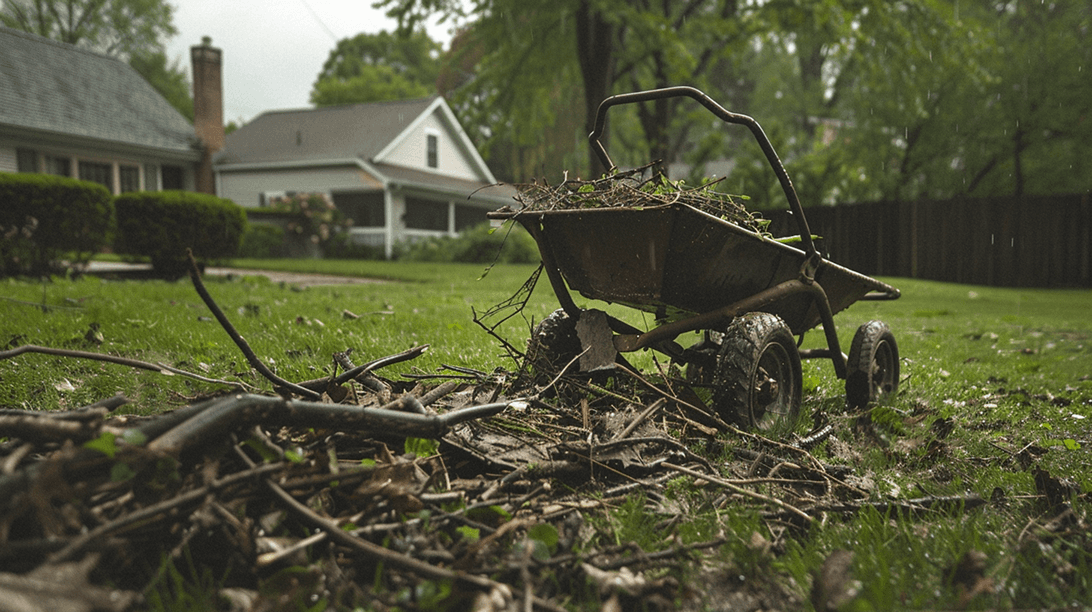
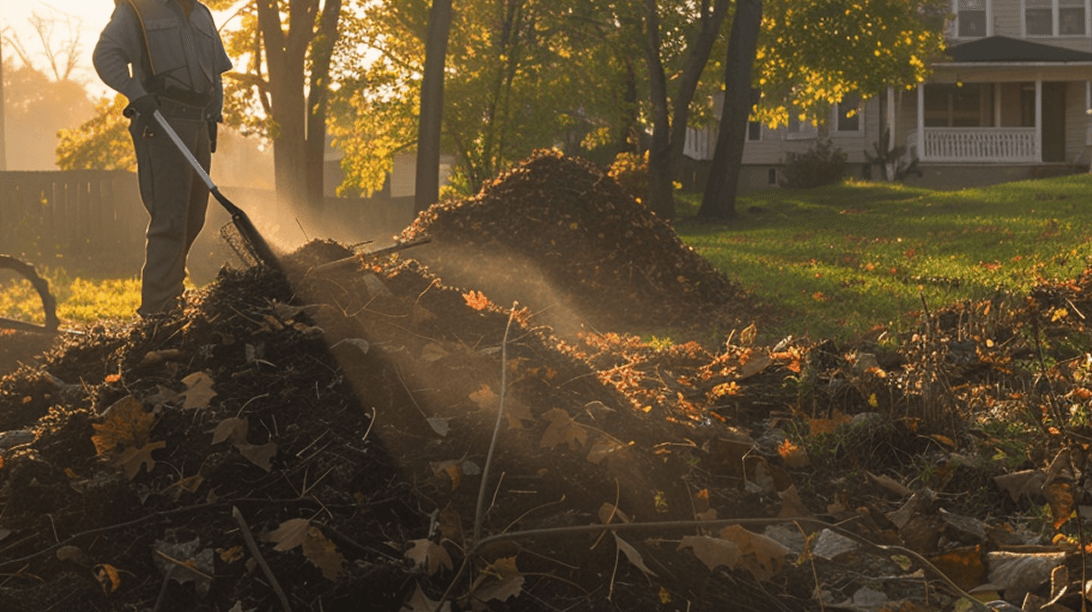
Step 4: Debris hauling. All debris removed from the property in trucks or trailers. No leaf piles, brush piles, or debris left behind unless specifically requested for compost or burn pile.
Step 5: Final walk and inspection. Walk the property with the homeowner if present, confirming all scope items completed and reviewing any observations made during the visit.
Step 6: Schedule next visit. Spring cleanup at one visit typically schedules into ongoing weekly maintenance. Fall cleanup typically schedules the next spring cleanup at completion.