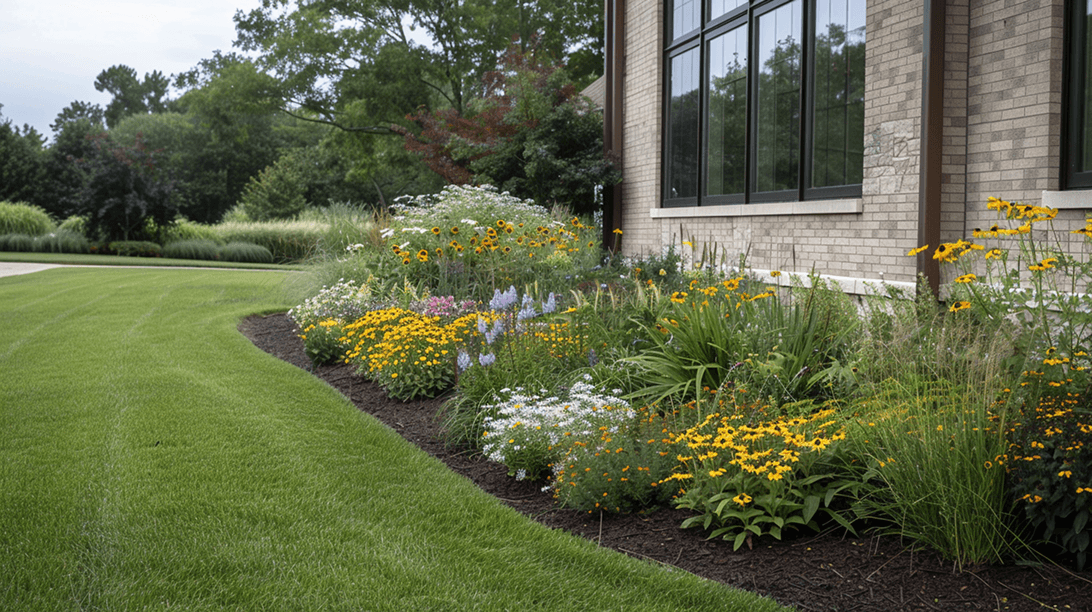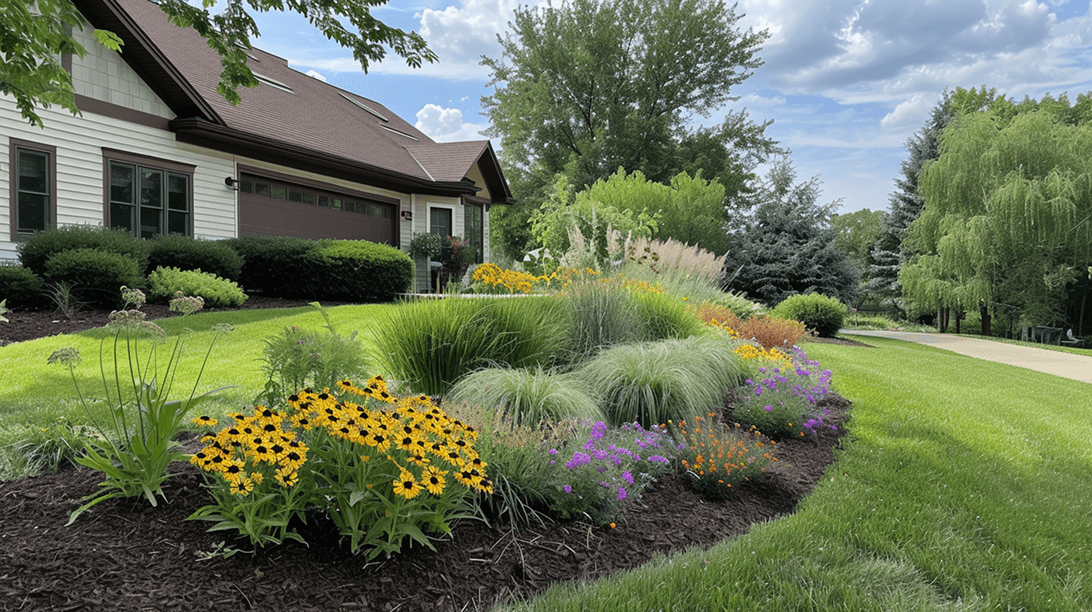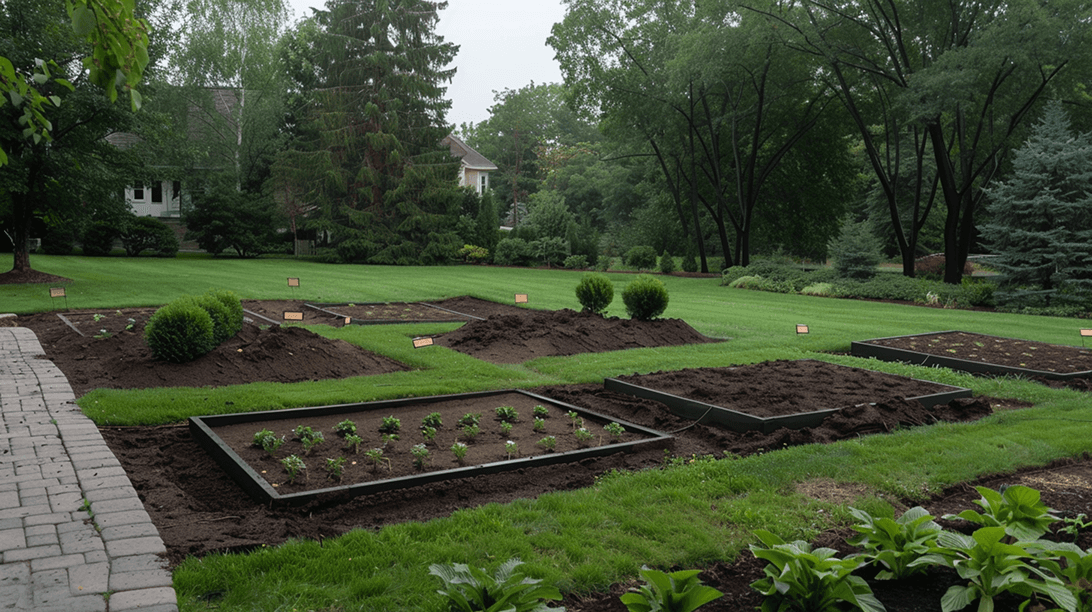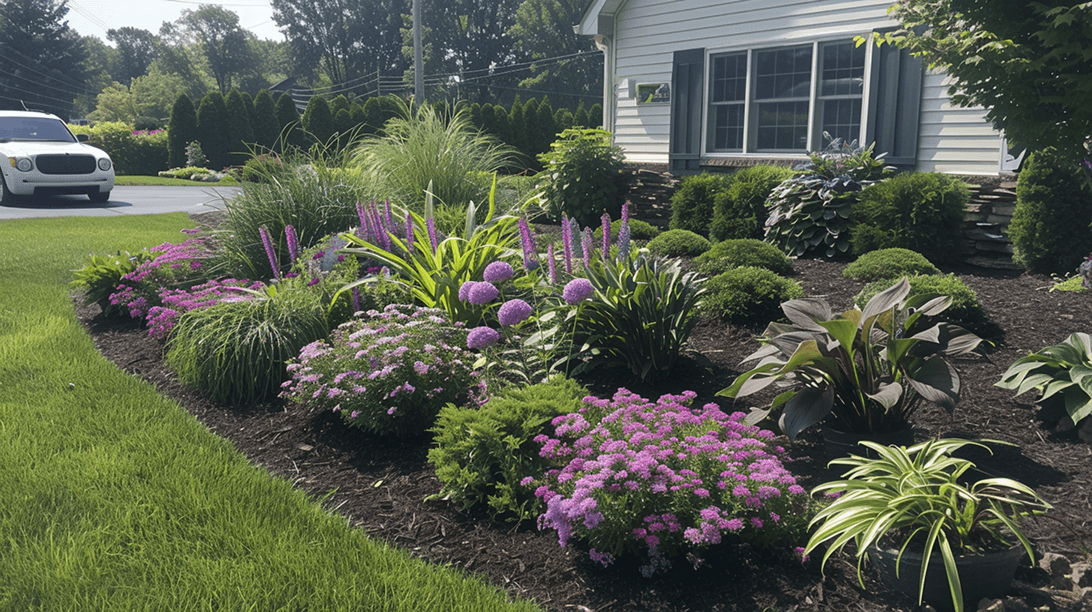
When Flower Beds Underperform Their Potential
A flower bed that peaks in June and disappears by mid-July
Annuals (petunias, marigolds, zinnias) that stop blooming or bloom less as summer progresses
Perennial beds that look great in spring but get scruffy by midseason
Container plantings on patios and entries that need to stay vibrant
A garden where the homeowner does the planting but wants someone else to handle the upkeep
A property where the beds are decorative but maintenance is being neglected
An older perennial bed where plants have crowded each other and need dividing
The work isn't dramatic, but the cumulative effect of consistent care is the difference between a garden that fades by July and one that performs from spring to frost.
What's On This Page
Why Most Flower Beds Underperform
What Annual & Perennial Care Includes
Seasonal Care Calendar
Our Process
FAQs
Why Most Flower Beds Underperform
The Gap Between Peak Possible and Typical Performance
Most flower gardens, both annual beds and perennial plantings, operate at maybe 40 to 60 percent of their potential. The plants are alive, they bloom at some point, the bed isn't a failure. But it's not exceptional either. The gap between "alive" and "exceptional" comes down to small, regular interventions that compound across the season.
The four things that make the biggest difference:
Consistent deadheading. Removing spent flowers before they form seed extends bloom time dramatically. A bed that's deadheaded every 1 to 2 weeks during peak season blooms for 4 to 6 months. The same bed left alone blooms for 6 to 8 weeks. Deadheading isn't optional for plants like petunias, zinnias, salvia, coneflower, and many others, it's the difference between a season of blooms and a brief peak.
Right-timing pinching and cut-backs. Many perennials benefit from a hard cut-back at midseason (often called the "Chelsea chop") that triggers a second flush of blooms. Catmint, salvia, sedum, and others respond dramatically to this treatment. The timing is specific (typically late May to mid-June for cool-season plants in Lincoln) and the result is striking when done right.
Strategic fertilization. Flowering plants need different nutrients at different times. A balanced fertilizer in spring supports establishment. A higher-phosphorus formula in early summer supports bloom production. Light feeding throughout the season keeps plants vigorous. Heavy spring-only fertilization, the common DIY approach, actually reduces bloom output.
Dividing and rejuvenating. Most perennials get crowded over 3 to 4 years and bloom less as they compete with themselves. Dividing the plants and replanting at proper spacing rejuvenates the bed. Without division, perennial beds slowly decline.
Why most beds don't get this treatment:
The work isn't hard. It's just regular. A homeowner has to show up to the bed every 1 to 2 weeks during peak season with the right tools and knowledge for each plant. Most people do it for the first month, then life intervenes, and the beds slowly lose ground.
The advantage of working with us on annual and perennial care is that the schedule actually happens. We come on a consistent cadence, do the right work for each plant at the right time, and the bed performs at its peak rather than at the easy 40 to 60 percent most beds settle into.
What Annual & Perennial Care Includes
The Recurring Service Scope
Annual and perennial care is a recurring service rather than a one-time project. Most clients sign up for a season-long program where we visit on a regular cadence (typically every 2 to 3 weeks during peak growing season, less often in shoulder months). Here's what's covered in a typical visit:
Deadheading. Spent flower removal across all flowering plants. Different techniques for different plants (pinching for soft annuals, snipping at the next leaf node for perennials, shearing for plants that respond to harder cut-backs).
Light pruning and shape maintenance. Removing leggy growth, shaping plants that are sprawling, and keeping the bed at intentional dimensions.
Spot weeding. Pulling weeds that have emerged since the last visit. Frequent visits mean weeds get pulled when they're tiny rather than letting them establish.
Mulch top-off. Light mulch refresh where it's gotten thin or moved around. Keeps the bed looking finished between major mulch installations.
Light fertilization (timed). Slow-release granular fertilizer applied at appropriate times in the season. Liquid feed for containers and high-performance beds where appropriate.
Pest and disease monitoring. Visual check for problems during every visit. Spot treatments or recommendations for issues observed.
Stake and support. Tomato cages on tall flowers, stakes on top-heavy plants, support hoops on perennials that flop. Keeps the bed upright through wind and rain.
Plant division (annually or biennially). When perennials are getting crowded, we divide and replant during the appropriate season for each plant.
Seasonal swap-outs. For clients with annual displays, we swap out spent annuals for replacement plantings (spring pansies to summer petunias to fall mums) as the season transitions.
Container management. Patio and entry containers managed alongside in-ground beds. Includes watering during dry stretches if scheduled appropriately.
What's not included (priced separately):
Initial bed design and planting (separate project)
Major bed restoration or rebuild
Soil amendment or major fertilization programs
Tree work on large ornamental trees in beds
Bulk mulch installation (separate project)
For clients with significant flowering plantings, we typically pair annual & perennial care with our broader Landscape Maintenance services.
Seasonal Care Calendar
What Happens When
Late March to April: Spring Awakening. Initial cleanup pass. Cut back any perennials that were left for winter interest. Remove dead annual debris from the previous year. Light edge and bed cleanout. First weed pass before annuals germinate. Soil temperature still too cold for most planting.
Late April to Mid-May: Spring Planting. Annual flowers planted after last frost (typically May 10 in Lincoln). Containers refreshed with summer plantings. First fertilizer application. Existing perennials beginning to leaf out.
Late May to June: Establishment. Newly planted annuals establishing roots. Perennials reaching full leaf-out. Spring-blooming perennials (peony, iris, columbine) finishing their bloom and ready for deadheading. First "Chelsea chop" cut-backs on plants that respond (catmint, salvia, certain sedums).
June to August: Peak Season. Most active care period. Bi-weekly visits for deadheading, weeding, light feeding, and shape maintenance. Summer perennials (coneflower, black-eyed Susan, daylily, bee balm) at peak bloom. Annuals at peak performance with consistent care.
Late August to Early September: Late Season Push. Final fertilizer application. Heavy deadheading to push final blooms before frost. Spent perennials cleaned up. Containers refreshed with fall plantings (mums, asters, ornamental kale).
Mid-September to October: Fall Transition. Last bloom of late-season plants (asters, sedum, ornamental grasses). Beds gradually cleaned up. Annuals removed after first hard frost. Perennial cut-backs (some now, some left for winter interest).
November: Winter Prep. Final bed cleanup. Mulch top-off for winter protection. Container drainage to prevent freeze damage. Sensitive plants wrapped if applicable.
December to February: Off-Season. No active bed work. Plant ordering and design for next season happens during this period.
Our Process
How an Annual & Perennial Care Program Runs
Step 1: Walk the beds and assess. Initial visit to catalog plants, identify current condition, note any issues, and design the care cadence. Some beds need every 2 weeks. Others can hold on a 3 to 4 week schedule.
Step 2: Quote the program. Quote includes visit cadence, scope per visit, materials (fertilizer, light mulch, replacement plants for annuals), and seasonal swap-outs if applicable.
Step 3: Execute visits on cadence. Every visit follows the same general scope (deadheading, weeding, light maintenance) but adapts to what each plant needs that week.
Step 4: Communicate observations. When we see something worth flagging (a plant declining, a pest issue developing, a perennial that needs dividing soon), we let you know. The goal is keeping the bed at peak across years, not just visit to visit.
Step 5: End-of-season summary. At the end of the growing season, we summarize what was done, what worked, and what to plan for next year. Helps with planning new plantings, replacements, or expansions.