The Low-Cost Service That Prevents Expensive Damage
Most gutter cleaning clients are dealing with one of these:
Gutters overflowing during rain instead of draining through downspouts
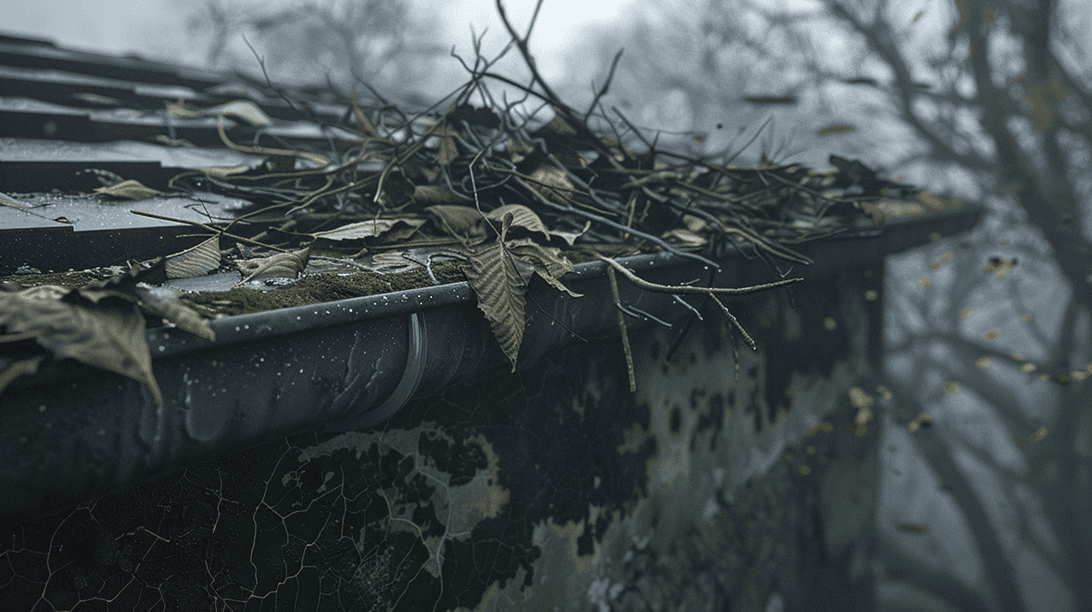
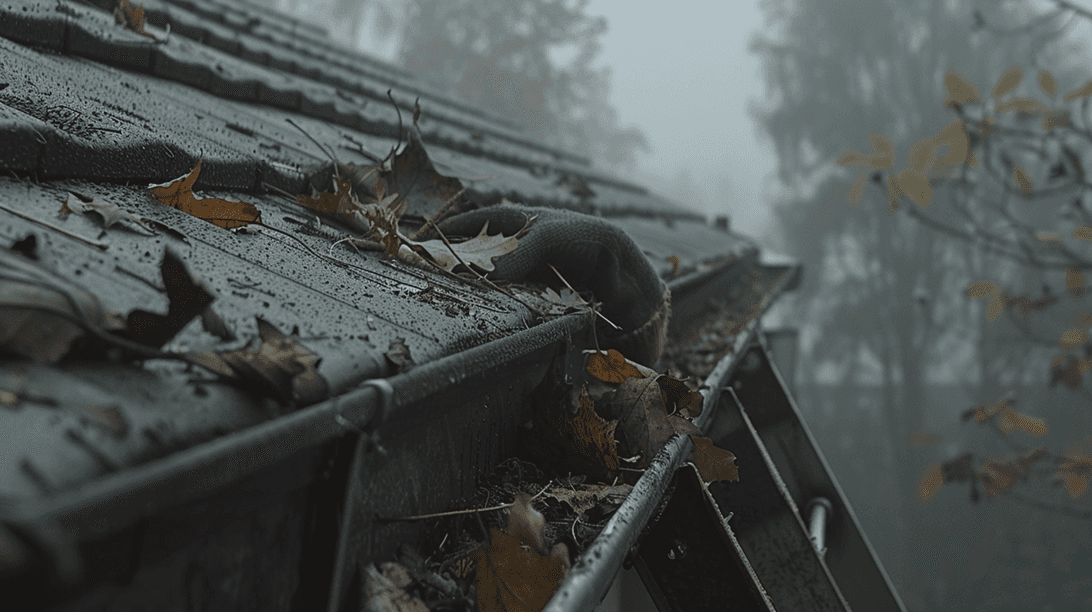
Visible debris (leaves, sticks, seed pods) piled up in the gutter
Water stains running down the siding or pooling at the foundation
Mosquitoes breeding in standing water in the gutters
Ice dams forming along the gutter line in winter
Plants growing in the gutters (yes, this happens)
Downspouts that gurgle or back up instead of flowing freely
Sagging gutters pulling away from the fascia from the weight of debris and water
Most gutter cleaning is straightforward maintenance, but the consequences of skipping it (water damage, foundation issues, ice dams) make it one of the highest-ROI home maintenance services.
What's On This Page
Why Clean Gutters Matter More Than Most Homeowners Realize
The Twice-A-Year Cleaning Schedule
What's Included in a Cleaning Visit
Our Process
FAQs
Why Clean Gutters Matter More Than Most Homeowners Realize
What Clogged Gutters Actually Do
Gutter cleaning seems like the kind of low-priority maintenance task that's easy to put off. The reality is that clogged gutters cause some of the most expensive damage a home can experience, and the damage often isn't visible until it's gotten serious.
The cascade of problems clogged gutters cause:
Water overflow at the gutter. When the gutter can't move water through downspouts, water spills over the front edge or back side. The front edge overflow is visible. The back edge overflow runs down behind the gutter, soaks the fascia board, and starts rotting wood you can't see until it's far gone.
Fascia and soffit rot. Persistent water against the fascia (the board the gutter is attached to) causes wood rot. Soffit damage (the underside of the roof overhang) follows. Repair costs run into thousands of dollars for affected sections.
Foundation saturation. Water that overflows from gutters often lands right at the foundation, where it then causes the same problems that proper downspout extension is meant to prevent. The very system designed to protect the foundation becomes the source of foundation damage.
Basement leaks and waterproofing failure. Saturated foundation soil pushes water through wall cracks, around windows, and through any unsealed penetrations. "Wet basement" complaints often trace back to gutter problems above ground.
Ice dams in winter. Clogged gutters trap water and snow at the roof edge. The water freezes, expands, and pushes water back up under the shingles. Ice dam damage is one of the most expensive winter problems in northern climates.
Pest infestation. Standing water in gutters breeds mosquitoes. Decomposing leaf debris attracts ants, wasps, and small rodents. Gutters become wildlife habitat instead of drainage.
Foundation cracking. Severe long-term saturation causes the soil under the foundation to either expand (clay) or settle (sandy). Both create foundation movement and cracking that's structurally serious.
Landscape damage. Overflow water washes mulch out of beds, erodes soil, and creates the muddy strips along the house that look bad and grow nothing.
Roof damage. Water that backs up against the roof edge can get under shingles, soak the roof deck, and lead to deck rot. Premature roof failure traces back to gutter issues more often than homeowners realize.
The accumulated cost:
A single year of neglected gutters causes thousands of dollars worth of damage in the worst cases. Even mild neglect over multiple years causes hundreds of dollars of small accumulating issues. The cleaning cost is trivial compared to the consequences of skipping it.
The Twice-A-Year Cleaning Schedule
Standard Gutter Cleaning Scope
A proper gutter cleaning visit includes more than just scooping out leaves. Here's what we do at every visit:
Debris removal. Hand removal of all leaves, sticks, seed pods, samaras, animal nesting material, shingle grit, and other debris from every section of gutter. Bagged and hauled away from the property.
Downspout flush and check. Every downspout flushed with water from the top to confirm full flow to the outlet. Any clogs cleared from the downspout itself.
Outlet check. Where downspouts meet underground extensions or grade outlets, we confirm water is exiting properly. Identify any outlet clogs that need attention.
Gutter inspection. Visual check for sagging, pulled-away brackets, loose fasteners, rust, missing sealant at seams, and other maintenance issues. Report findings to the homeowner.
Splash block check. For properties without buried downspout extensions, confirm splash blocks are positioned properly to direct water away from the foundation.
Roof debris removal. Light brush-off of accumulated leaves and debris from the roof surface (within reach). Heavy roof debris is referred to a roofer.
Cleanup. All gutter debris bagged and hauled away. No debris left in the yard or beds.
Optional add-ons:
Gutter guard installation. For clients tired of biannual cleaning. Reduces frequency but doesn't eliminate it entirely.
Minor repairs. Re-sealing seams, replacing damaged hangers, reattaching downspouts. Major repairs (gutter replacement, fascia damage) are referred to specialists.
Downspout extension upgrades. For clients needing better water management at the discharge point.
Photo documentation. Before/after photos and any issue documentation for property managers or HOAs that require it.
What's not included:
Roof repairs or replacement
Major gutter replacement (full system replacement)
Fascia or soffit repair
Roof power-washing or treatment
What's Included in a Cleaning Visit
When We Recommend Gutter Cleaning
Most Lincoln properties need gutter cleaning twice a year minimum. Properties with significant tree cover may need three or even four visits.
Fall cleaning (late October to early November). The most important cleaning of the year. After most leaves have dropped from deciduous trees, the gutters are typically packed full of leaves, samaras, twigs, and debris. This cleaning prepares the gutters for winter when ice and snow can cause additional problems with clogged systems.
Spring cleaning (mid-April to early May). The second priority cleaning. Spring brings seed pods, helicopter samaras from maple trees, tree flower debris, and accumulated winter dirt. Cleaning at this point clears the system before spring rain season hits hard.
Summer interim cleaning (mid-July, optional). For properties with heavy tree cover, especially properties under oak, hickory, or maple. Summer brings a second wave of debris (seed pods, summer storm debris, animal nesting material from spring births) that can accumulate in gutters.
Post-event cleaning. After severe storms, when high winds have brought down branches and leaves, an unscheduled cleaning may be needed regardless of the regular schedule.
What determines cleaning frequency:
Tree cover. Properties with overhanging trees need more frequent cleaning. Oaks (heavy acorn drop), maples (heavy samara drop), and pines (year-round needle drop) all create above-average debris loads.
Gutter design. Wider gutters (5-inch vs 6-inch) handle debris better. Box gutters and built-in gutters have different cleaning needs than standard hanging gutters.
Gutter guards. Properties with gutter guards installed need cleaning less often (typically annually rather than twice yearly) but they don't eliminate the need entirely. Finer debris still gets through, and the guards themselves need occasional cleaning.
Storm exposure. Properties exposed to high winds collect more debris. Properties on open lots, on hilltops, or near open fields see more wind-blown debris than sheltered properties.
Roof shape. Complex roofs with multiple valleys, dormers, and angles channel more debris into specific gutter sections than simple roofs do.
Our Process
How a Moku Gutter Cleaning Visit Runs
Step 1: Property assessment. First visit includes a walk around the property to identify gutter sections, downspout locations, roof access points, and any obstacles or hazards.
Step 2: Quote and schedule. Quote based on linear footage of gutter, roof complexity, and access difficulty. Most residential cleanings can be scheduled within 1 to 2 weeks of quote.
Step 3: Ladder setup and safety prep. Safety equipment in place, ladders set with stabilizers, lower-yard areas tarped to catch falling debris and protect plantings.
Step 4: Hand-clean all gutter sections. Methodical work through every section of gutter, hand-removing debris and collecting it in buckets that lower to the ground rather than dropping debris onto plantings below.
Step 5: Flush downspouts. Garden hose used to flush each downspout from the top to confirm full flow.
Step 6: Inspection and reporting. Visual check for any issues during cleaning, photographed and reported to the homeowner.
Step 7: Cleanup and bagging. All debris bagged and hauled away. Ground areas left clean.
Step 8: Schedule next visit. Set the next visit date on the calendar (most clients schedule the next cleaning at the end of this one).