Why Most Drainage Problems Start With Bad Grading
In Lincoln, where heavy clay soil and flat lots are the norm, bad grading shows up as:
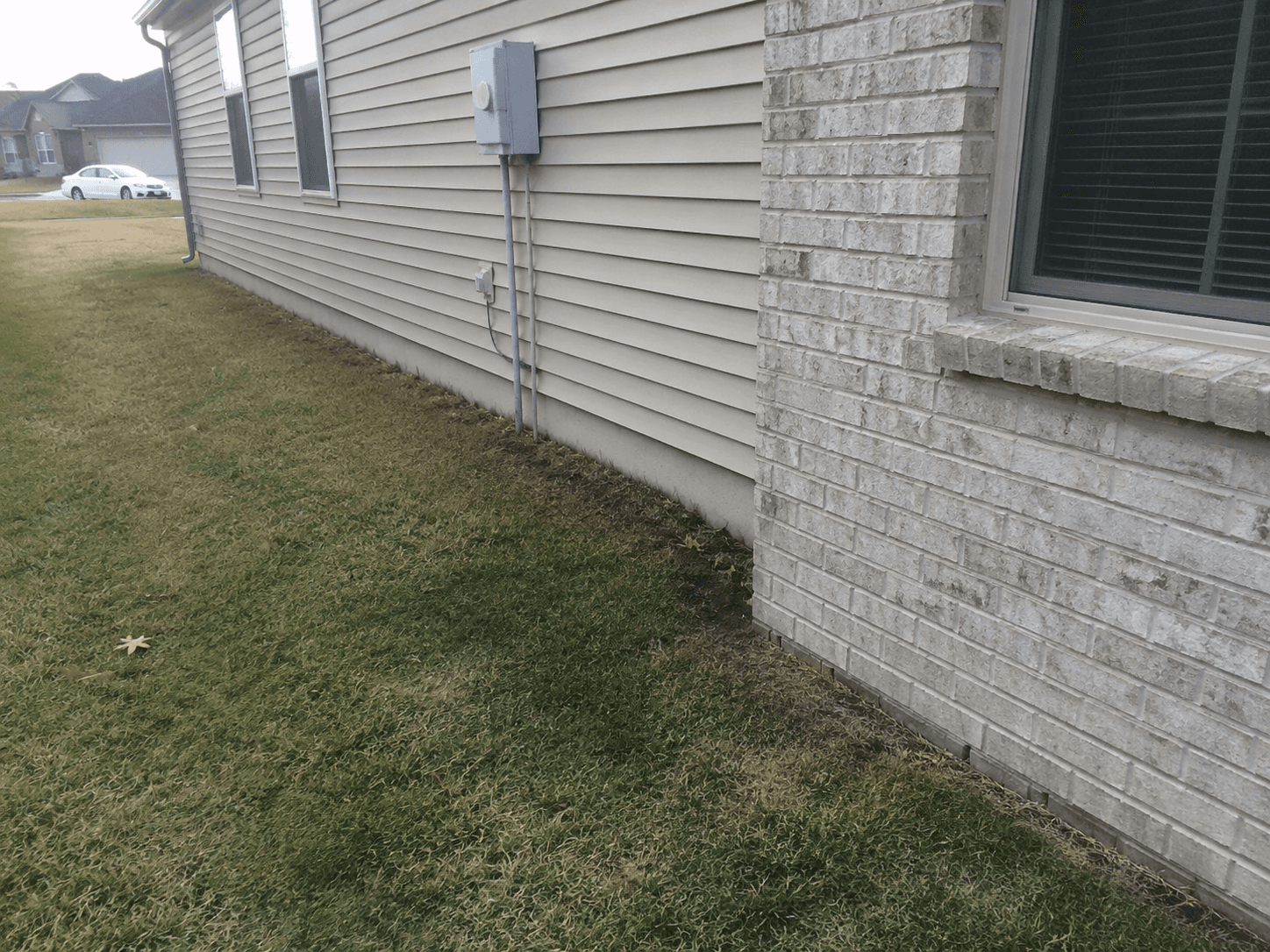
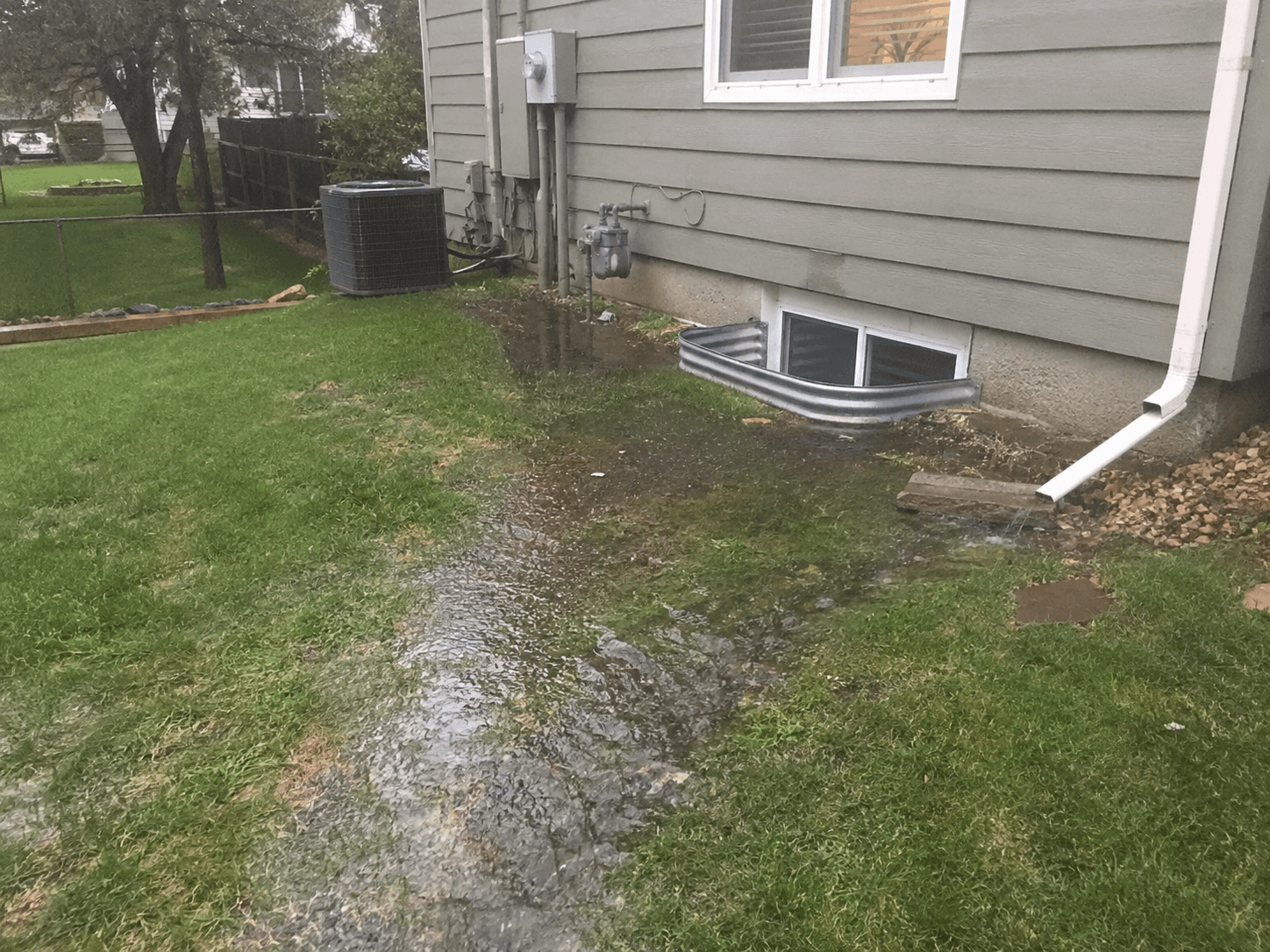
Water pooling against the foundation or running back toward the house
Wet patches that show up in the same spots every spring
Slope toward a patio, fence, or shed instead of away from it
A driveway or sidewalk that's lower than the surrounding lawn
Erosion in landscape beds where water cuts the same channel every storm
A yard that's flat in one direction and slopes the wrong way in another
Grading is almost always the foundation of a working drainage solution. If the slope is wrong, no amount of pipe or rock will fully solve the problem. Get the contours right first, then add drains if you still need them.
What's On This Page
How Yard Grading Works
The Most Underrated Fix in Drainage
Grading is the work most homeowners don't think about and most contractors skip because it's the least visible part of the project. You can't post a photo of a properly sloped yard the way you can post a photo of a dry creek bed. But grading is what makes the whole system work.
A working grade does three things:
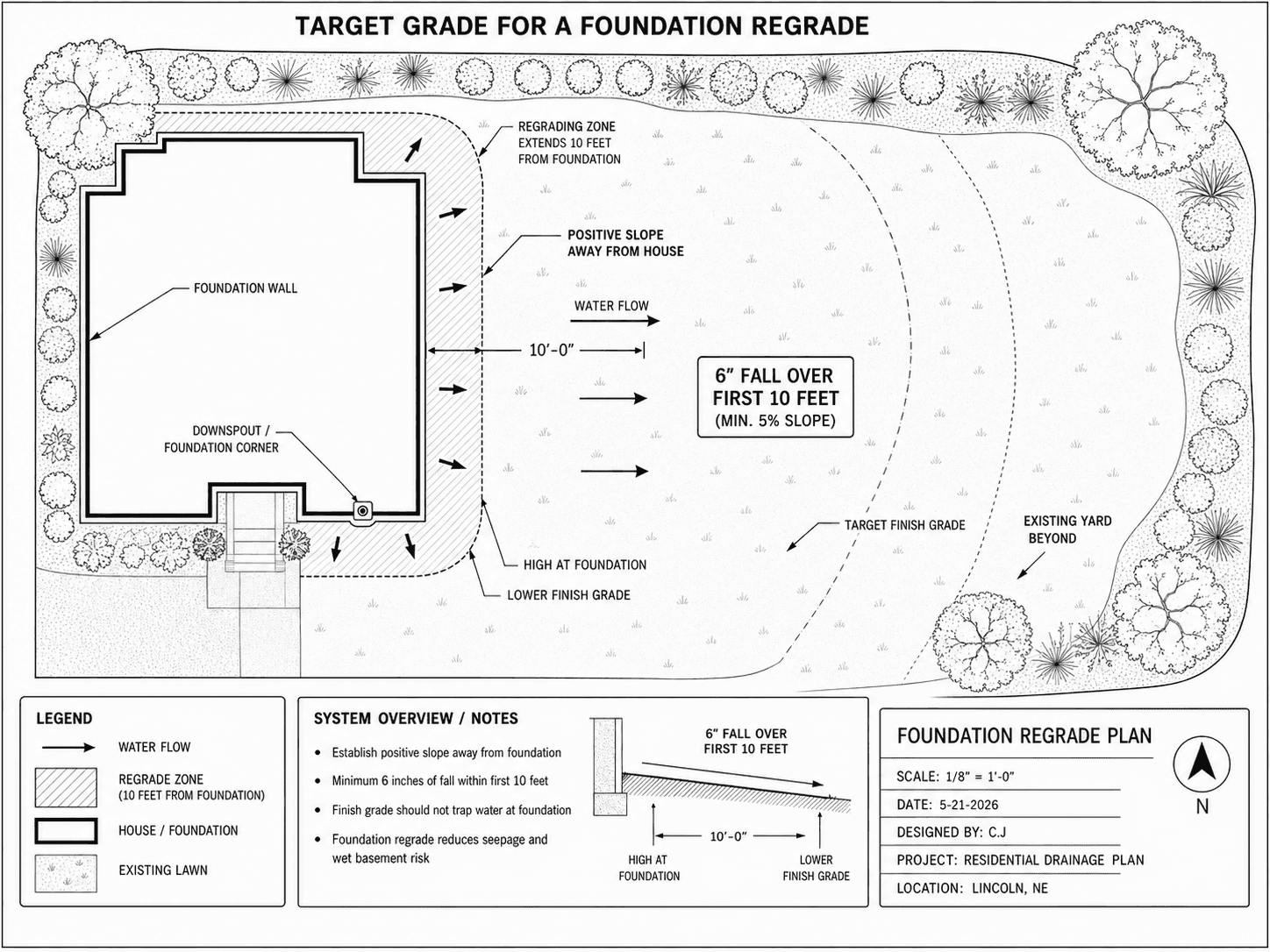
1. Slopes away from the foundation. Every yard should slope away from the house at a minimum of 6 inches over the first 10 feet. That's the IRC standard and it's there for a reason. Without it, every rainstorm pushes water at your foundation.
2. Sends water somewhere intentional. Bad grading just lets water find whatever path it wants. Good grading routes water along a planned path, usually through swales (shallow graded channels) toward a discharge area, a drainage feature, or the lowest point of the yard where it can't cause damage.
3. Eliminates low spots. Standing water kills grass, breeds mosquitoes, and saturates soil long after rain. Regrading low spots so they drain into adjacent areas turns problem zones back into usable lawn.
Real grading work is more than dumping topsoil and raking it smooth. It involves moving the actual subgrade, sometimes hundreds of cubic yards of soil, into the right contours. Done correctly, it's invisible. The yard just works the way it should.
The Difference Between Grading and Swales
Two Tools, Two Different Jobs
Grading and swales get talked about together because they both involve shaping the soil, but they do different things.
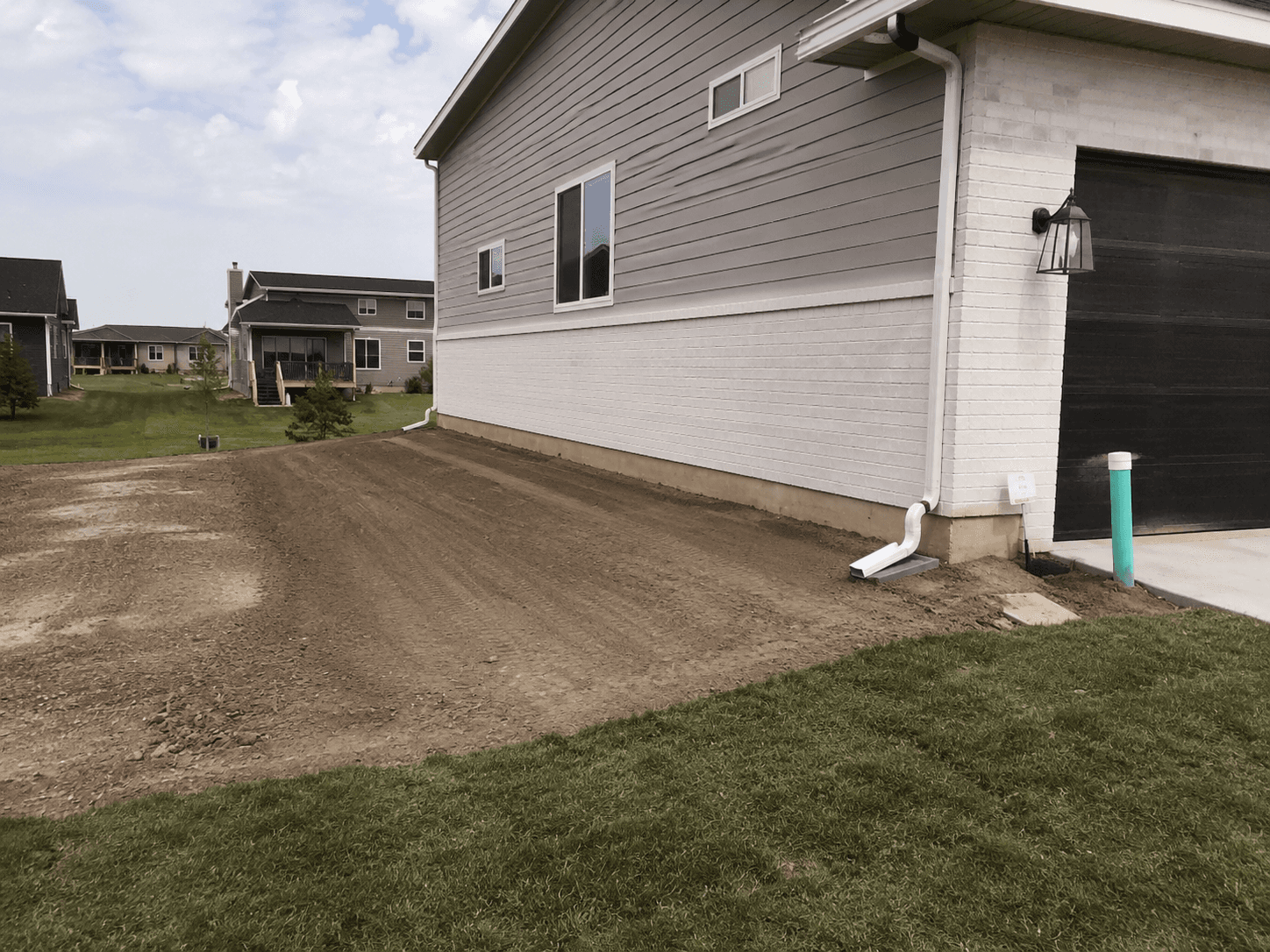
Grading is the broad job of reshaping the surface of the yard so water flows the way you want. The standard rule is that the soil should slope away from the house at a minimum of 6 inches over the first 10 feet, that's a 5% grade. After the first 10 feet, the slope can ease to about 2%. Most Lincoln homes don't have that. Builder grading is often flat, or worse, slopes back toward the foundation.
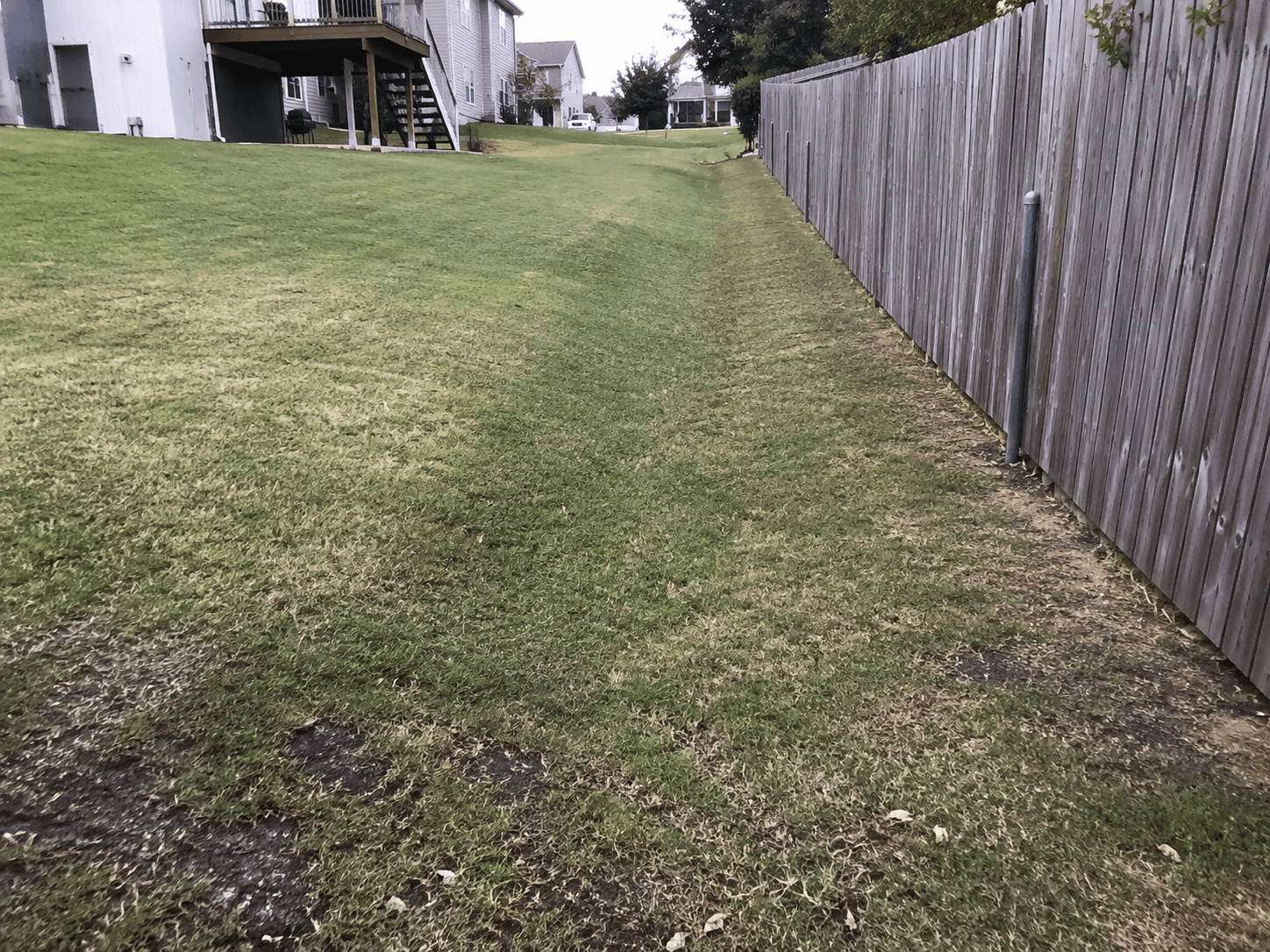
Swales are intentional shallow channels graded into the surface to direct water along a specific path. Think of a swale as a wide, gentle ditch that doesn't look like a ditch. They're invisible to most people who walk through the yard but they move thousands of gallons of water during a storm. We use swales to:
Carry water along a property line
Route runoff around hardscape features
Move water from a wet area to a discharge point without burying pipe
Slow water down on a slope so it has time to soak in instead of erode
Most drainage projects use both. Grading establishes the overall slope of the yard, and swales handle the specific paths the water needs to take.
Where We Use Grading and Swales in Lincoln
Common Grading Situations We Handle
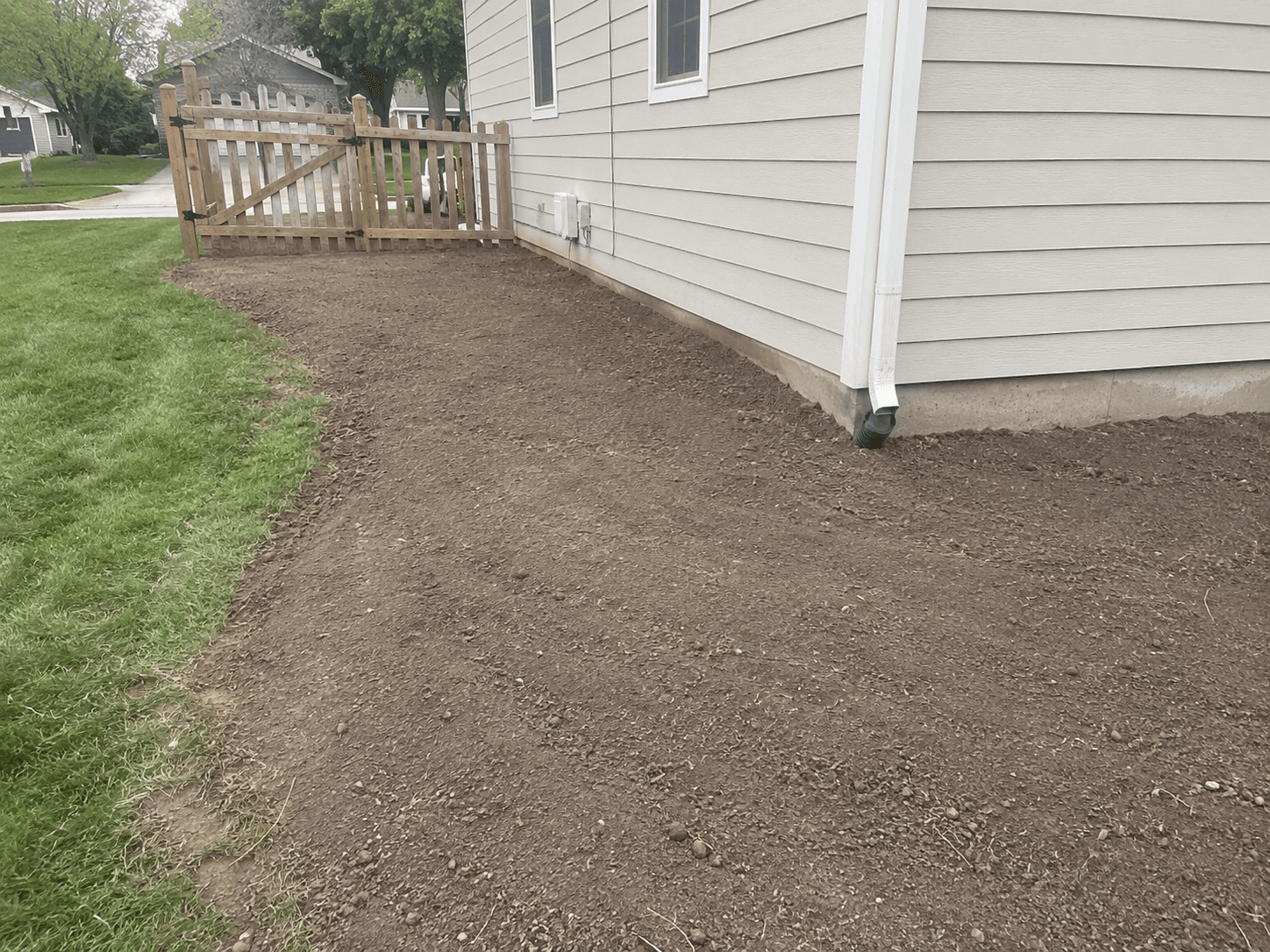
Foundation regrading. The most common job. Reshaping the soil within 10 feet of the house to establish positive slope away from the foundation. Often paired with downspout extensions for a complete foundation drainage fix.
New construction touch-ups. Builder grading is often minimal and inconsistent. We come in after closing to correct the slope around the house before landscaping goes in.
Swale installation. Cutting a shallow, intentional drainage channel through the yard to move water from a wet area to a discharge point. Visible as a gentle low line in the lawn but doesn't read as a ditch.
Driveway and patio edges. Where hardscape meets lawn, water tends to either pool against the edge or wash out the soil next to it. Grading the surrounding area properly fixes both at once.
Slope correction. When part of the yard slopes the wrong direction (toward the house, toward a fence, toward a neighbor's property), we regrade the affected area to redirect the flow.
Erosion repair. Where water has already cut channels into the yard or carried soil away from beds, we restore the contours and stabilize the surface so it doesn't keep happening.
Whole-yard regrades. On older homes or properties with significant drainage issues, sometimes the right fix is a comprehensive reshape of the entire yard. Bigger project, but it solves problems no localized fix will.
Our Process
How a Moku Grading Project Runs
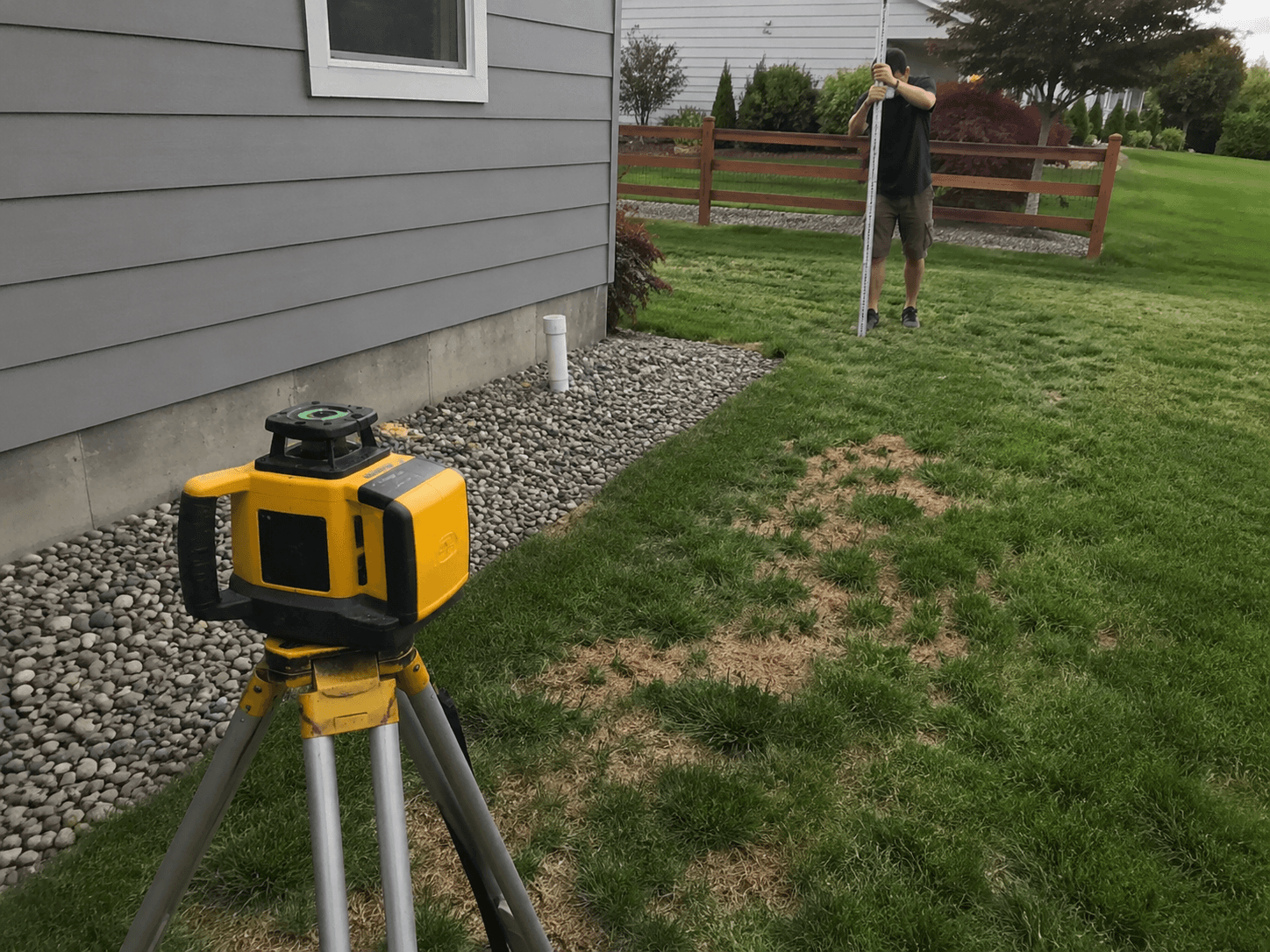
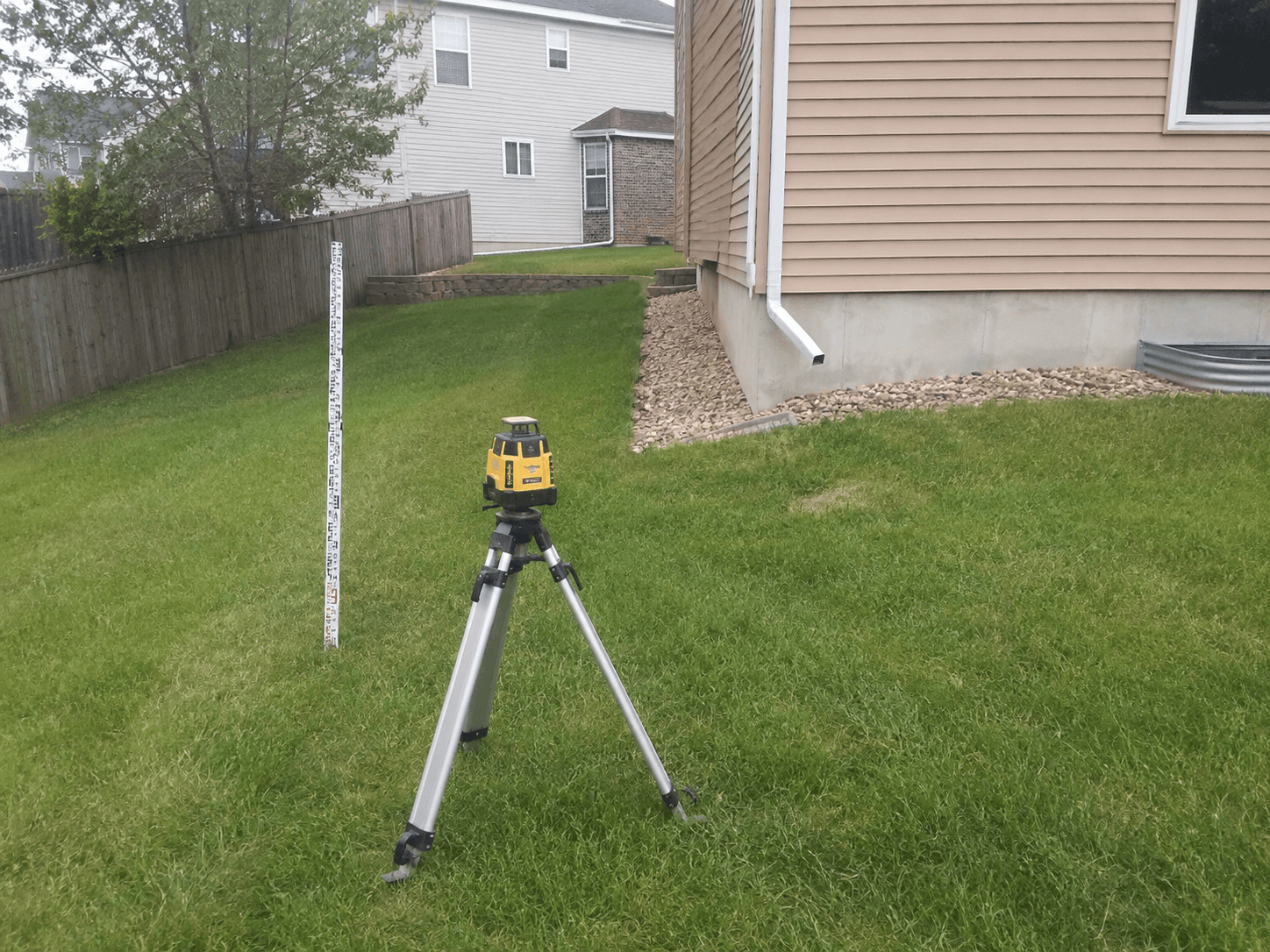
Step 1: Walk the property and shoot grades. We look at how water currently moves across the yard, identify the problem areas, and use a laser level or transit to actually measure the existing slopes. Eyeballing grades is how mistakes happen.
Step 2: Plan the new contours. We map out the target grades, where soil needs to come from, where it needs to go, and where any swales should run. We share the plan with you before any soil moves.
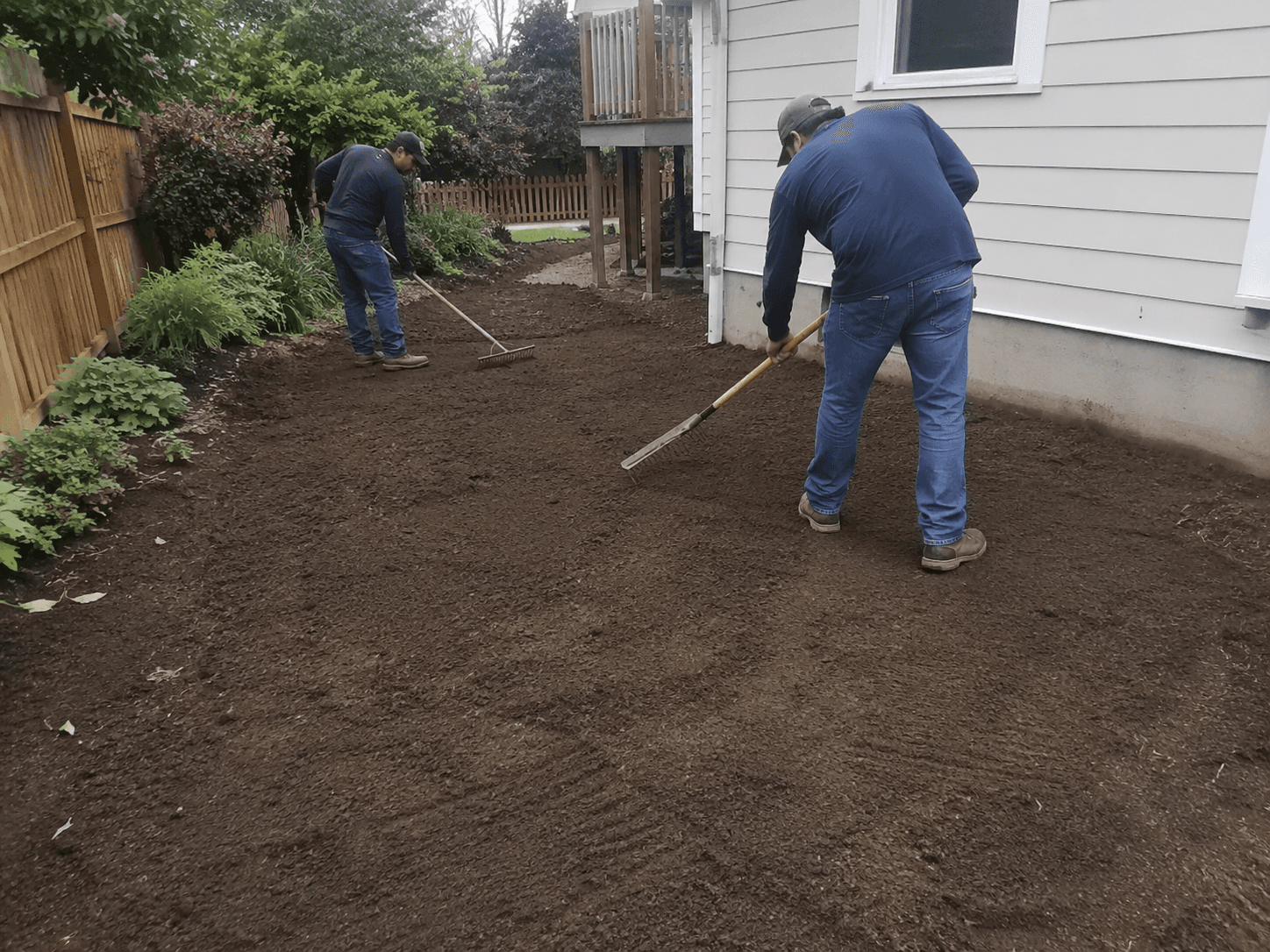
Step 3: Move the soil. Depending on scope, this might be skid steer work, hand grading, or both. We cut the high spots, fill the low spots, and shape the surface to the planned contours.
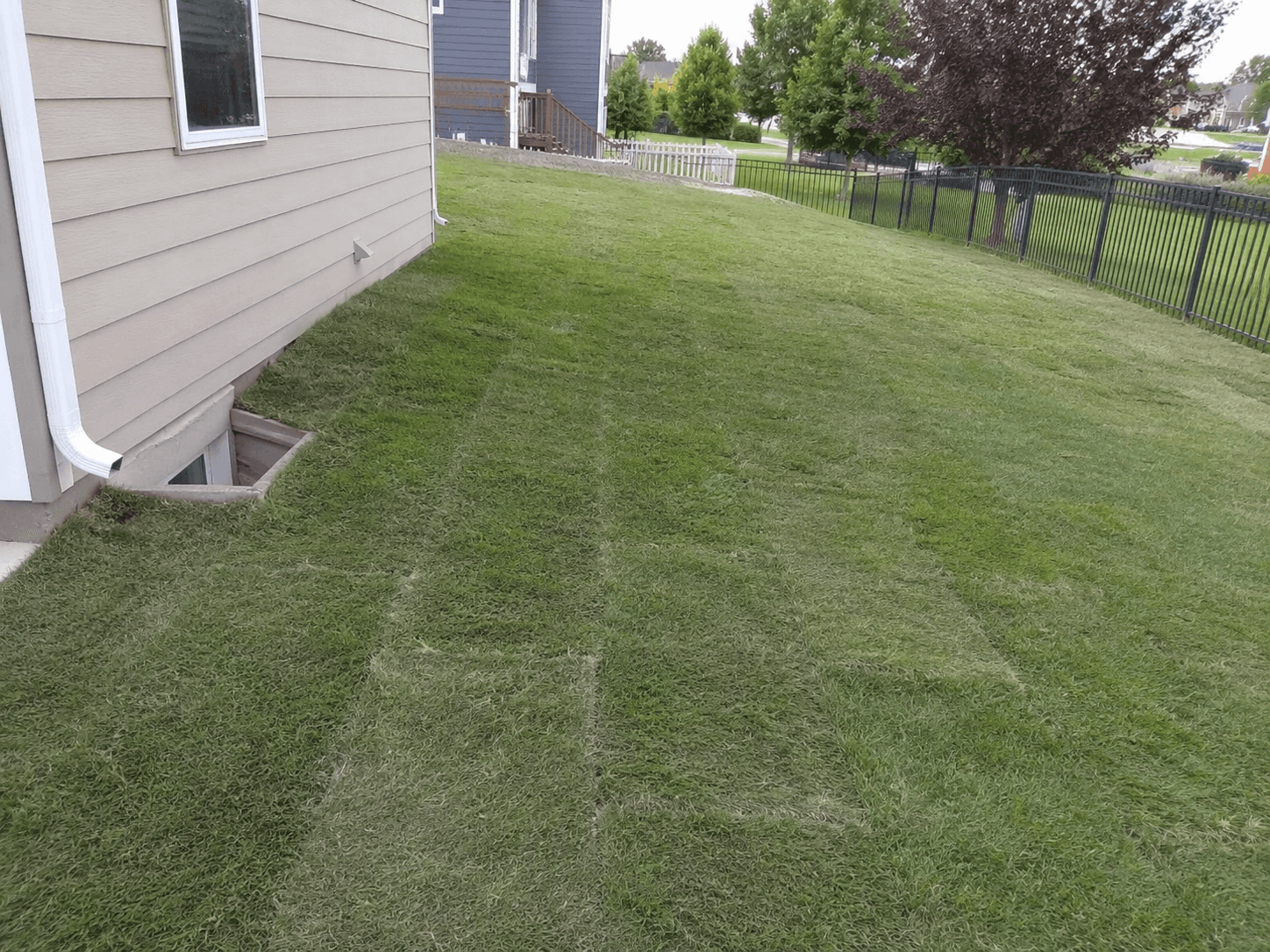
Step 4: Finish, sod or seed, and clean up. Once the grading is right, we restore the lawn with sod or seed (depending on what you've chosen), clean up the site, and walk the property with you to confirm the water moves the way it should.