When You Actually Need a French Drain
If you're dealing with any of these, a French drain is probably in the conversation:
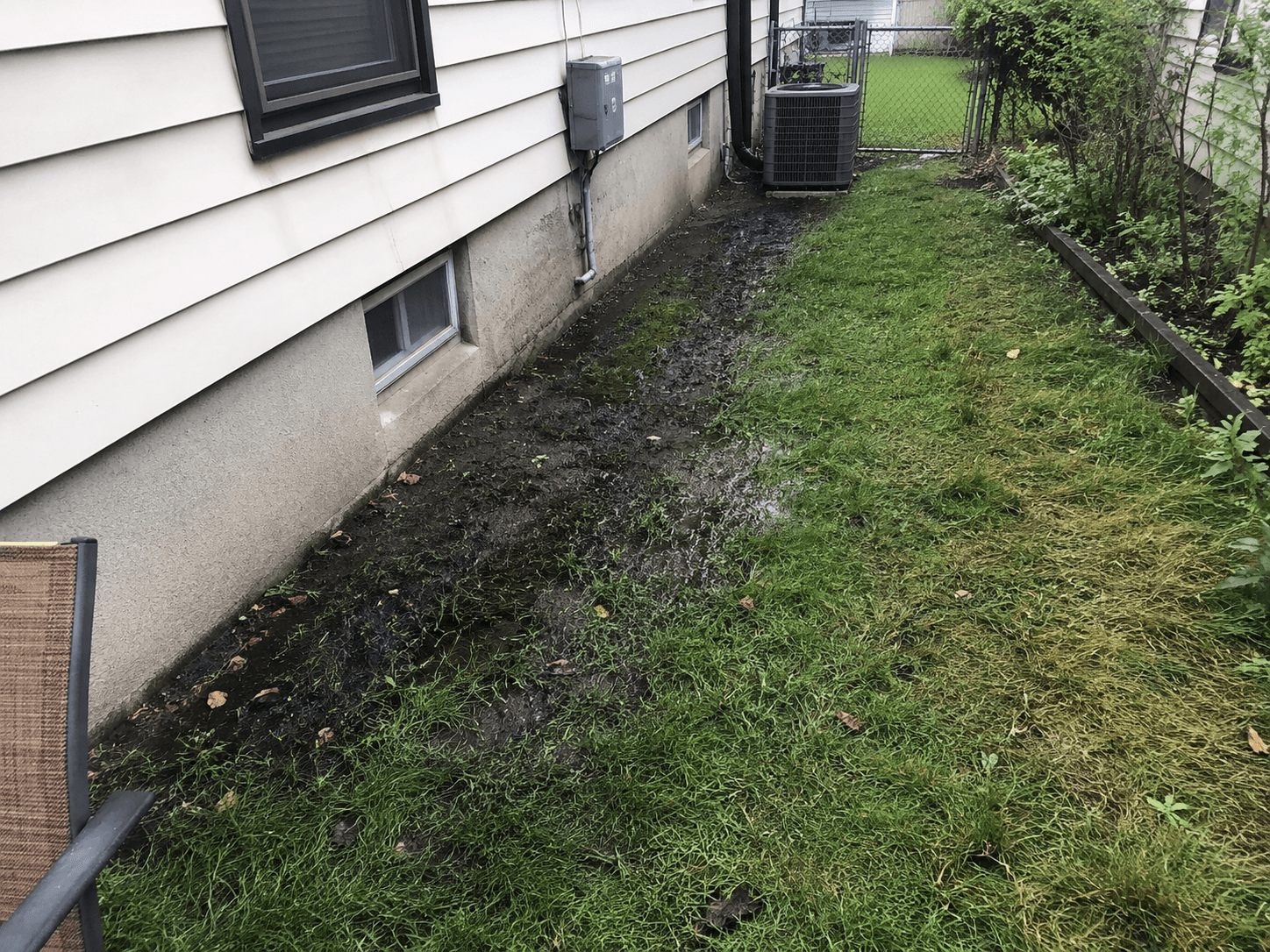
Water seeping through a basement or retaining wall
A property line where water keeps showing up no matter what you do
Saturated soil at the base of a slope or hillside
A long stretch of mulch bed or foundation that's constantly damp
If your problem is water pooling on the surface after a storm, a French drain is usually not the first move. That's a grading and catch basin problem. We'll get into that distinction further down.
What's On This Page
The Anatomy of a Working French Drain
A French drain isn't complicated, but every layer has a job, and skipping or shortcutting any of them is why so many DIY drains fail within a year or two.
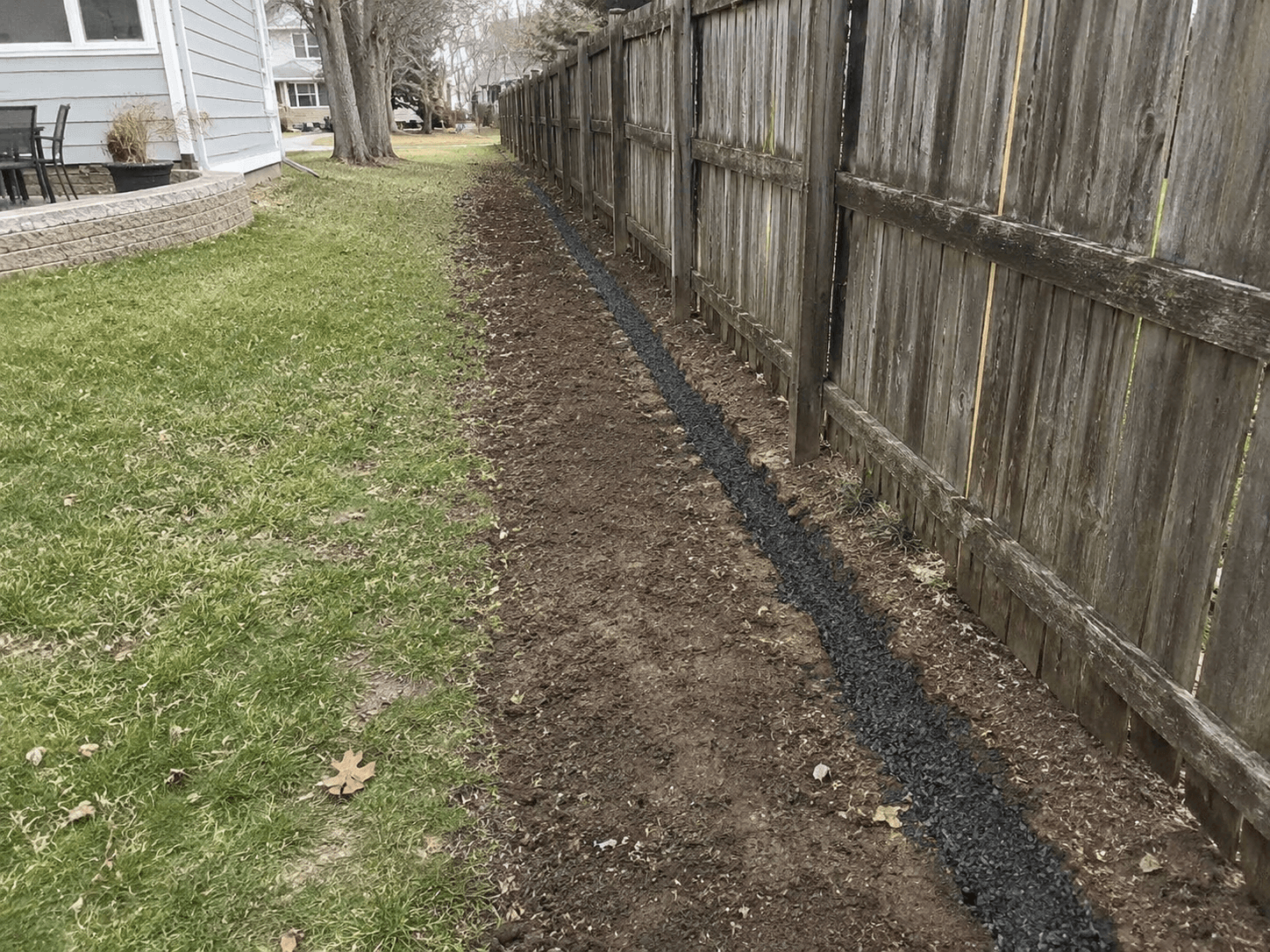
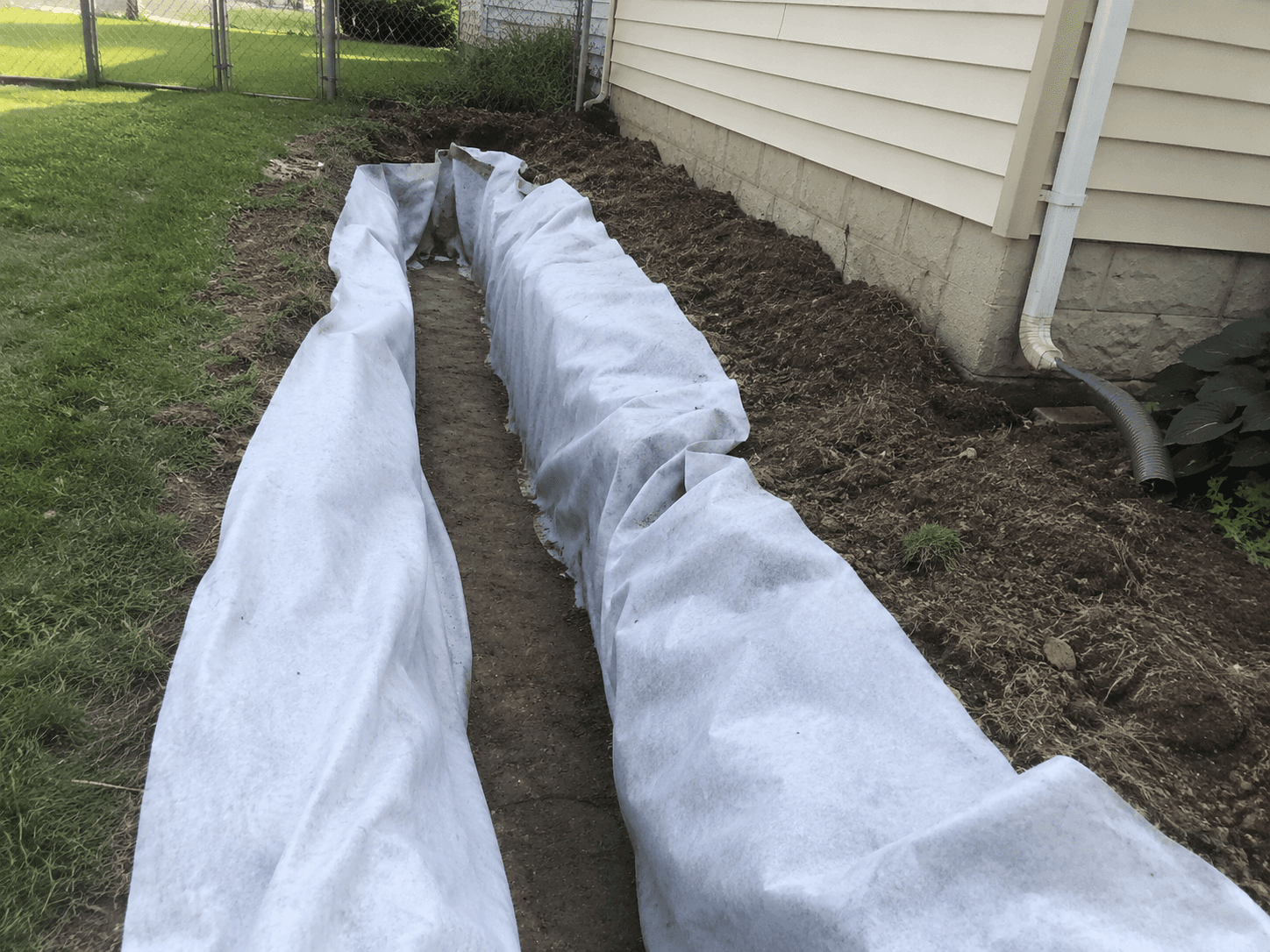
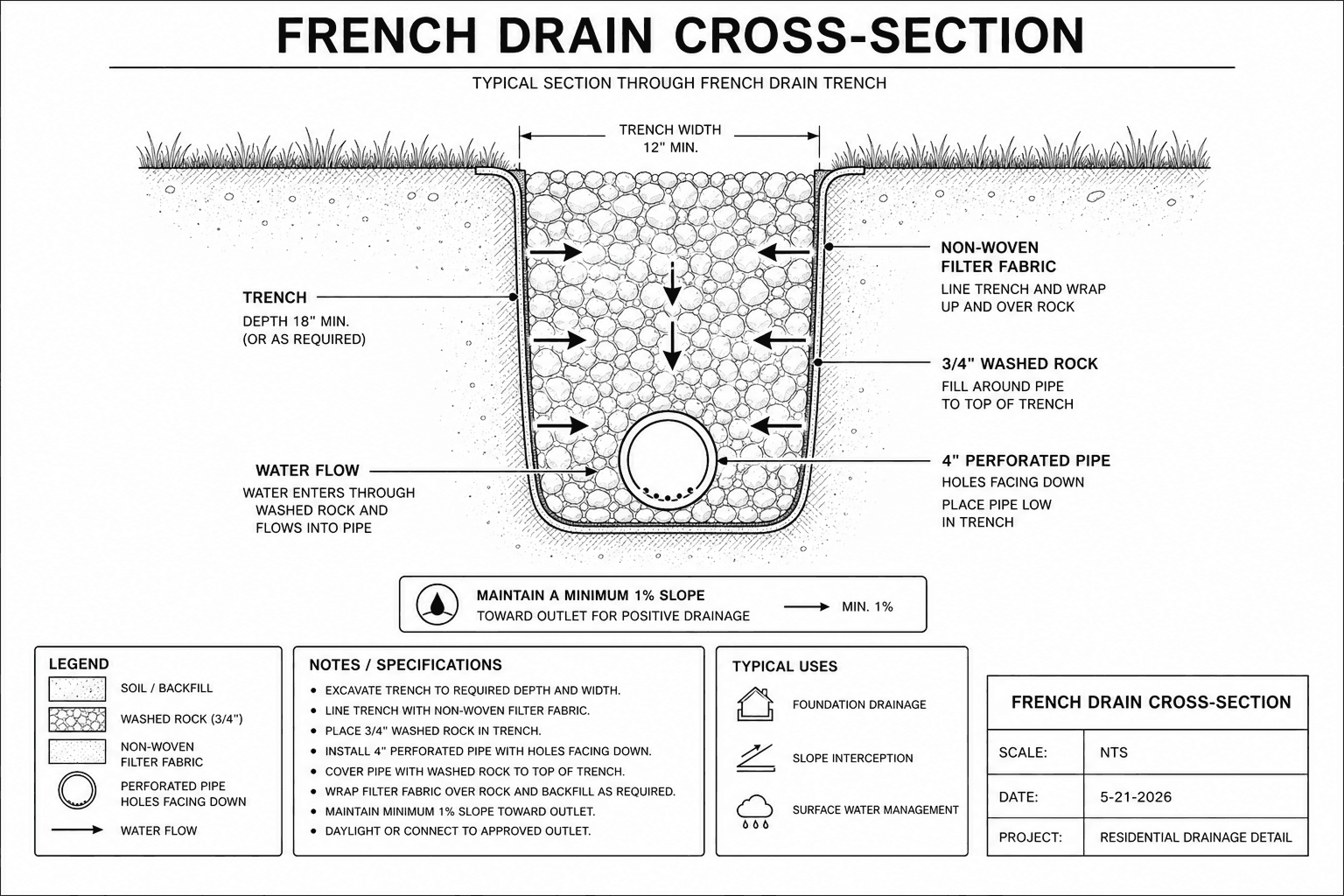
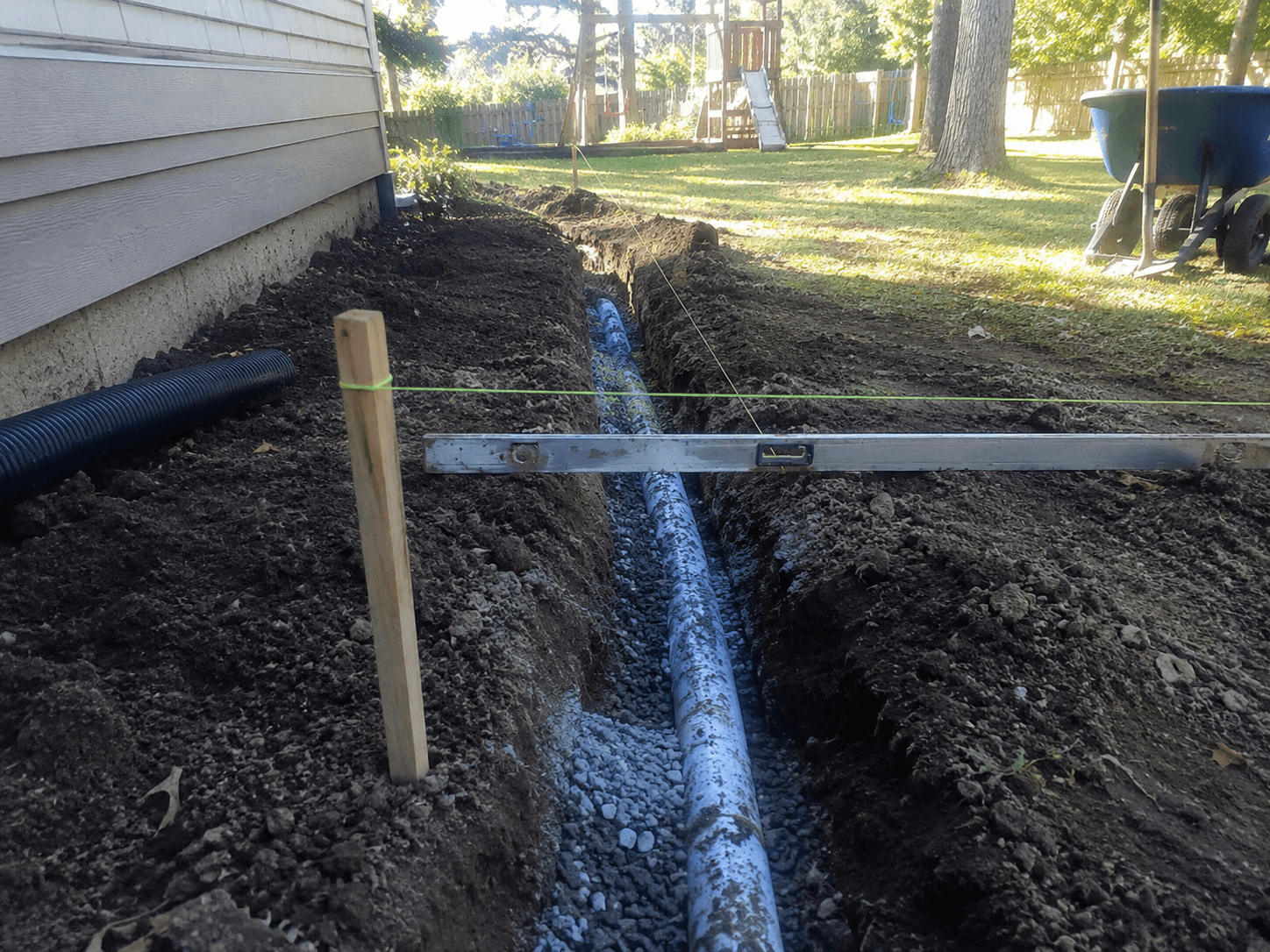
The trench. Dug to a consistent depth and slope. The slope is the most important part of the whole system. Without it, you've buried a pipe in dirt, not a drain. We grade trenches to a minimum fall of about an inch every eight feet.
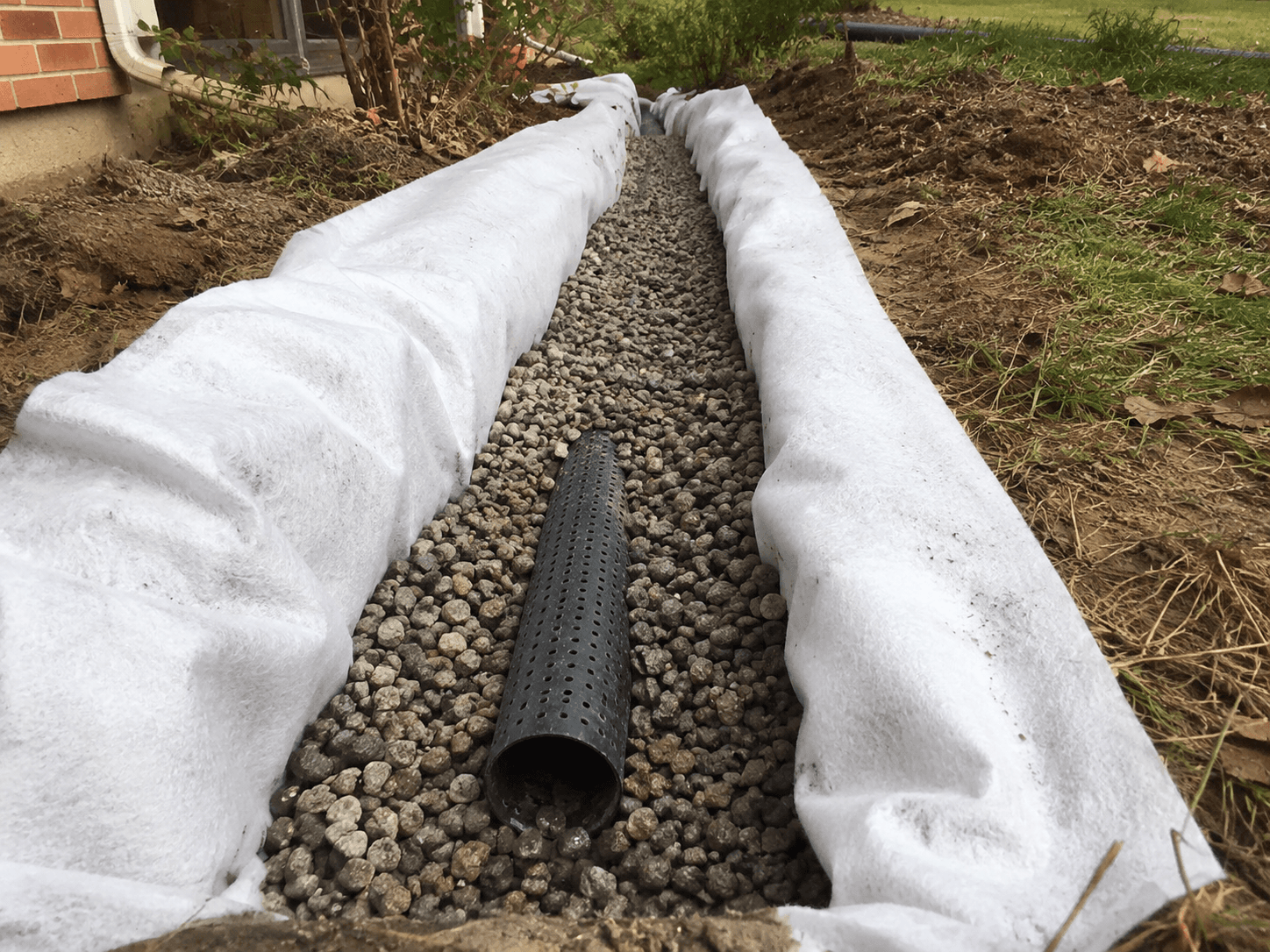
The fabric. Non-woven filter fabric lines the trench before any rock goes in. Its only job is to keep soil and fine sediment out of the gravel so the system doesn't slowly clog up. Cheap fabric or no fabric is why most failed French drains fail.
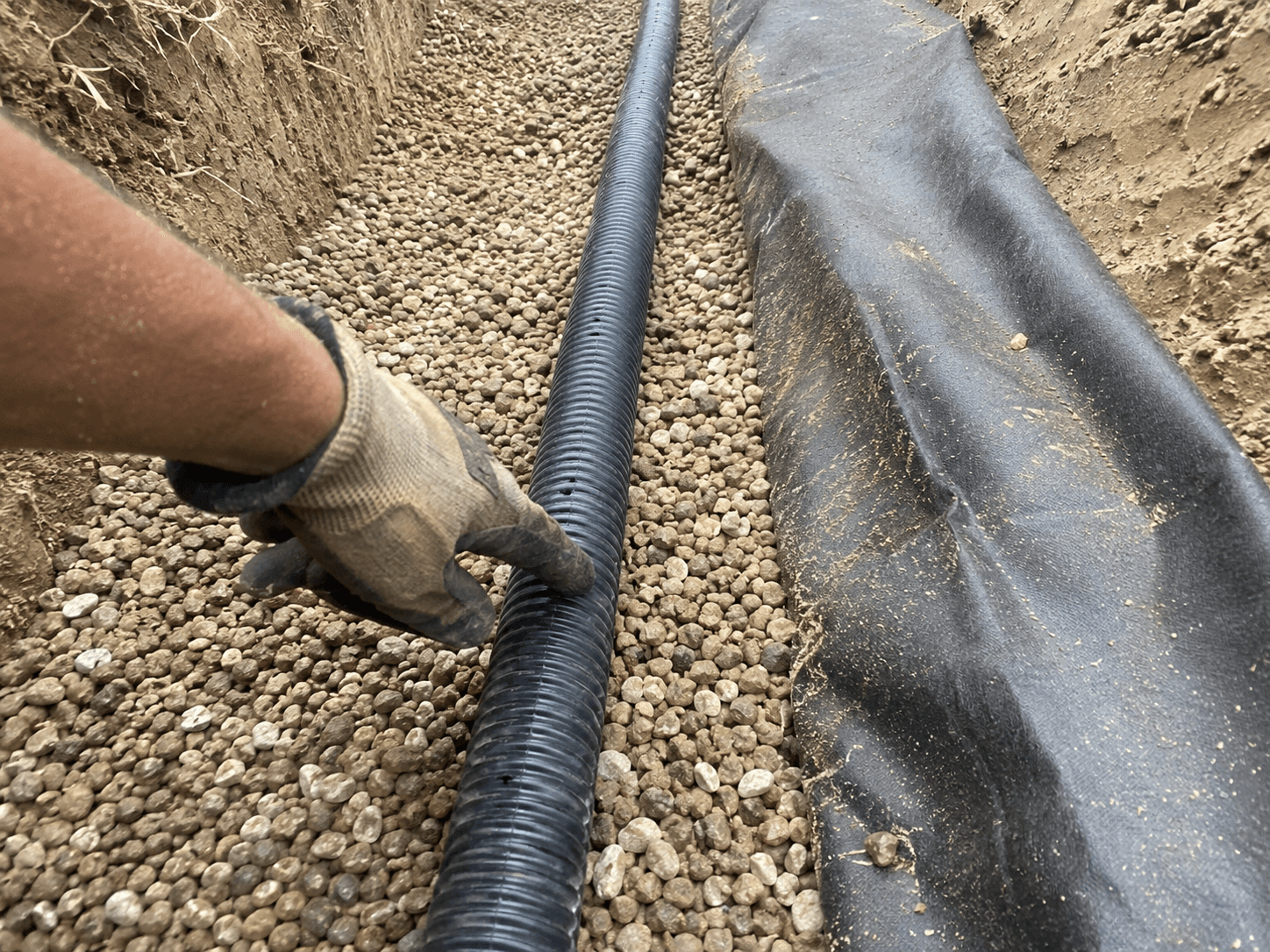
The gravel. Clean, washed rock (usually 3/4 inch) fills the trench around the pipe. The rock creates the void space that lets water move freely toward the pipe instead of sitting in soil.
The pipe. Perforated pipe with the holes facing down. That's not a typo. Water rises into the pipe from below as the trench fills, then flows along the inside of the pipe to the outlet. Pipe choice matters here too. We use rigid perforated PVC or heavy-duty corrugated pipe depending on the application. Flimsy black landscape tubing is not the same thing and we don't install it.
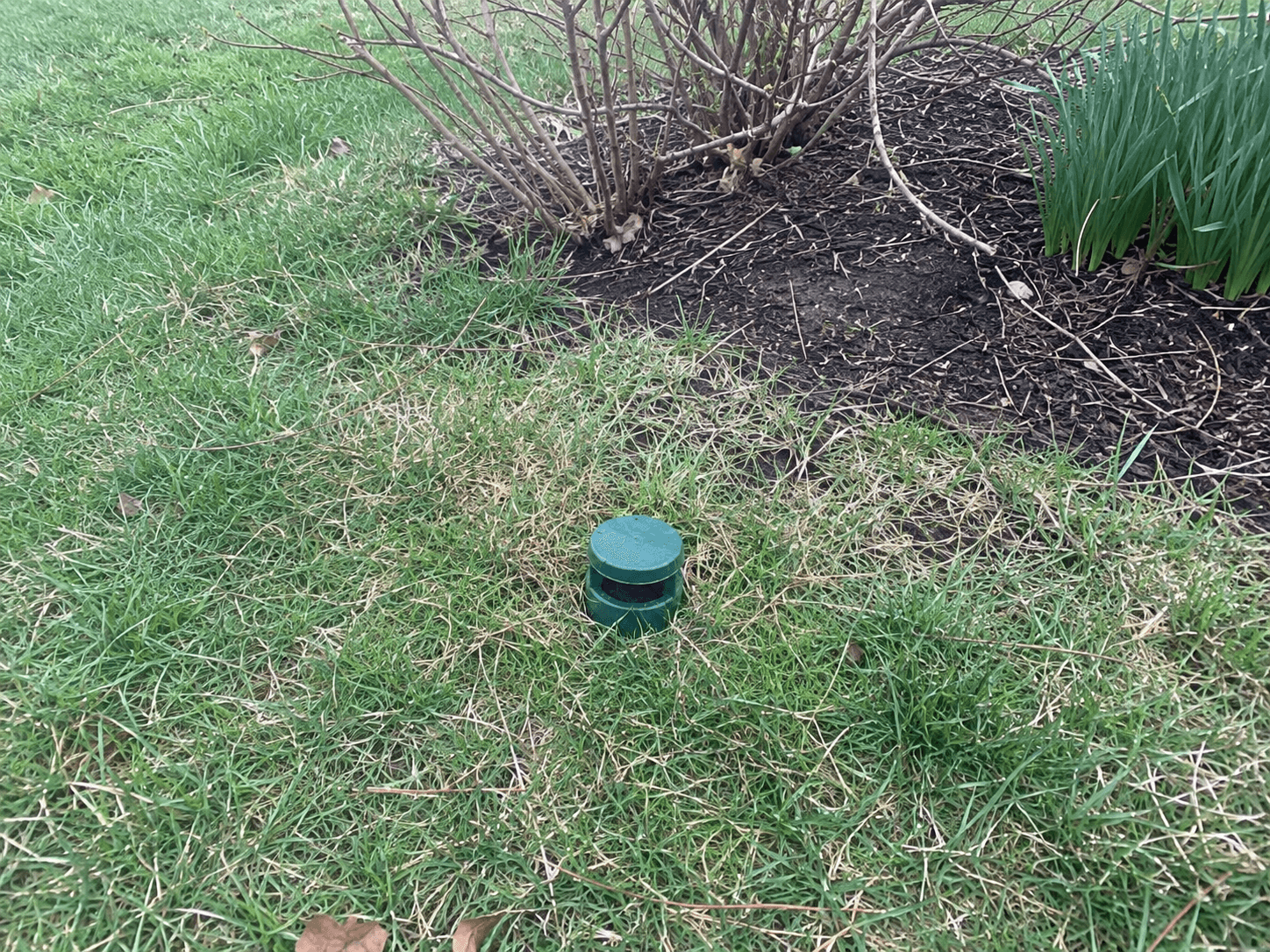
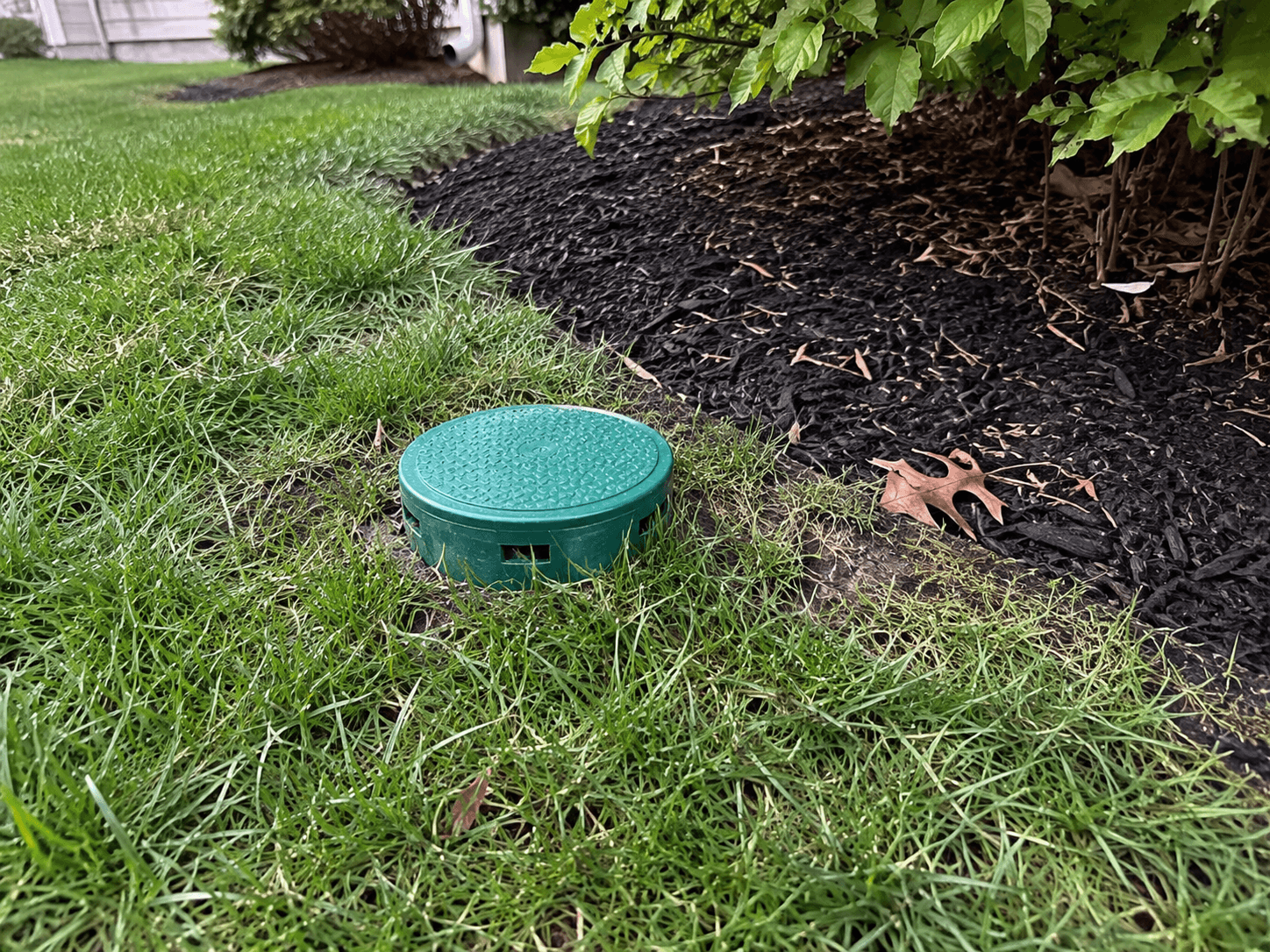
The outlet. Every French drain needs a destination. A pop-up emitter in a lower part of the yard, a daylight outlet on a slope, a dry well for soil that can absorb water, or a connection into a larger drainage system. A drain with no outlet is just a buried problem.
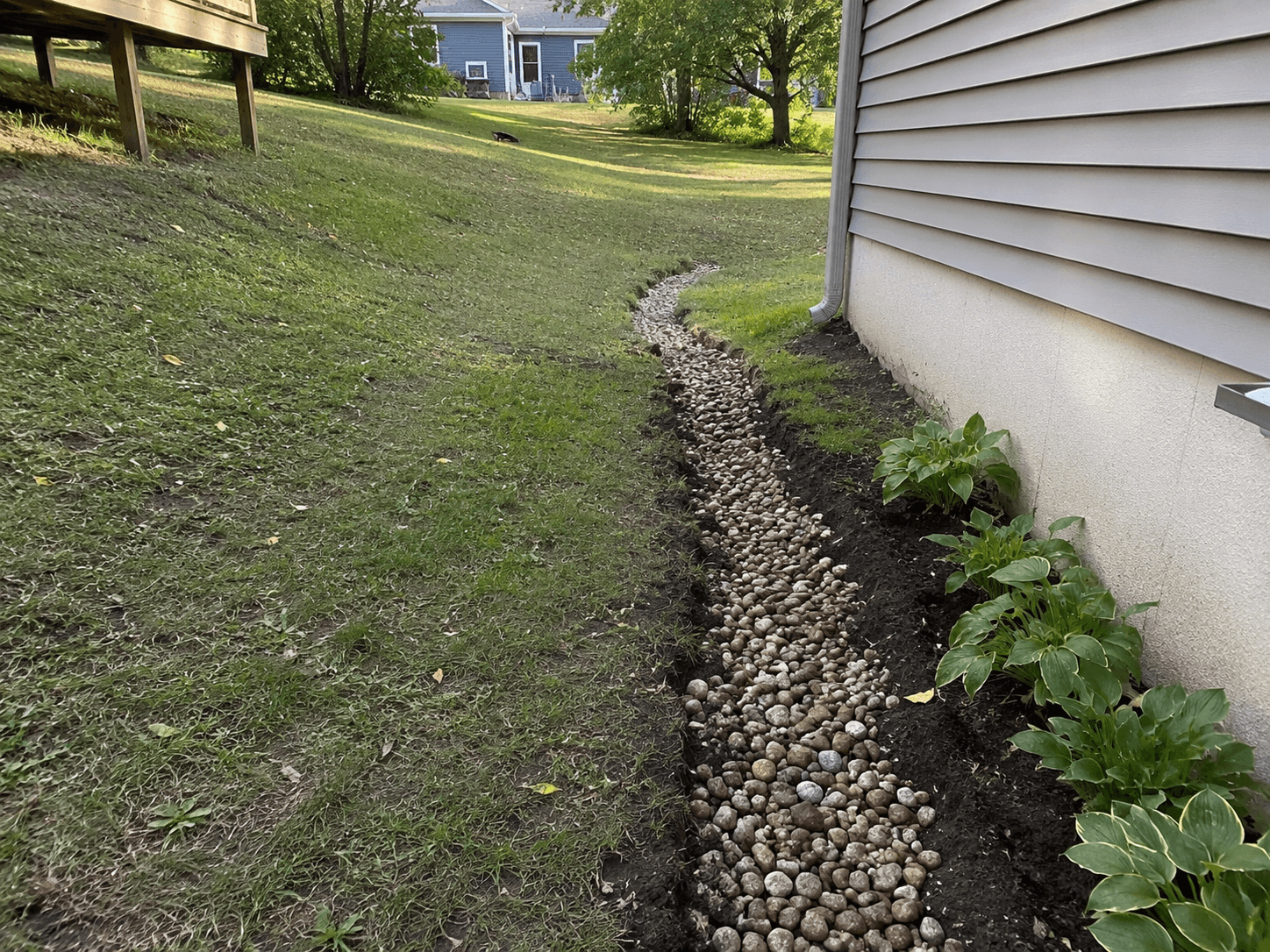
The cap. Either more gravel up to grade (if it's a visible drain in a bed), or fabric folded over and soil and sod restored on top (if it's hidden under lawn).
Is a French Drain Actually What You Need?
This is the part most contractors skip. A French drain is a real piece of work to install. We trench, we haul rock, we plumb the pipe, we restore the yard. It's a meaningful investment. The last thing we want is to sell you one when something simpler would solve the problem.
French drains are the right call when:
The water is subsurface, meaning the soil itself is saturated and there's nothing pooling on top
You're dealing with water against a foundation, basement wall, or retaining wall
A long stretch of yard or bed needs to be drained, not just a single low spot
The water is coming from a source you can't redirect (like a neighbor's higher yard or groundwater)
Other simpler fixes have already been ruled out
French drains are usually not the right call when:
Water is pooling visibly in one low spot after rain. That's a catch basin job, not a French drain.
Downspouts are the source of the problem. Buried downspout extensions are cheaper, faster, and more effective.
The yard slopes the wrong direction. Grading fixes that. Burying a French drain in a yard that slopes toward the house is treating a symptom.
The "problem" is normal post-storm wetness that dries out within a day or two. Sometimes the right answer is no drainage at all.
When we walk a property, we're trying to figure out where the water is coming from before we decide what to install. Half the time, a French drain ends up being one part of a larger system. The other half, we end up recommending grading or a downspout fix instead and saving you a few thousand dollars in the process.
Common Places a French Drain Belongs
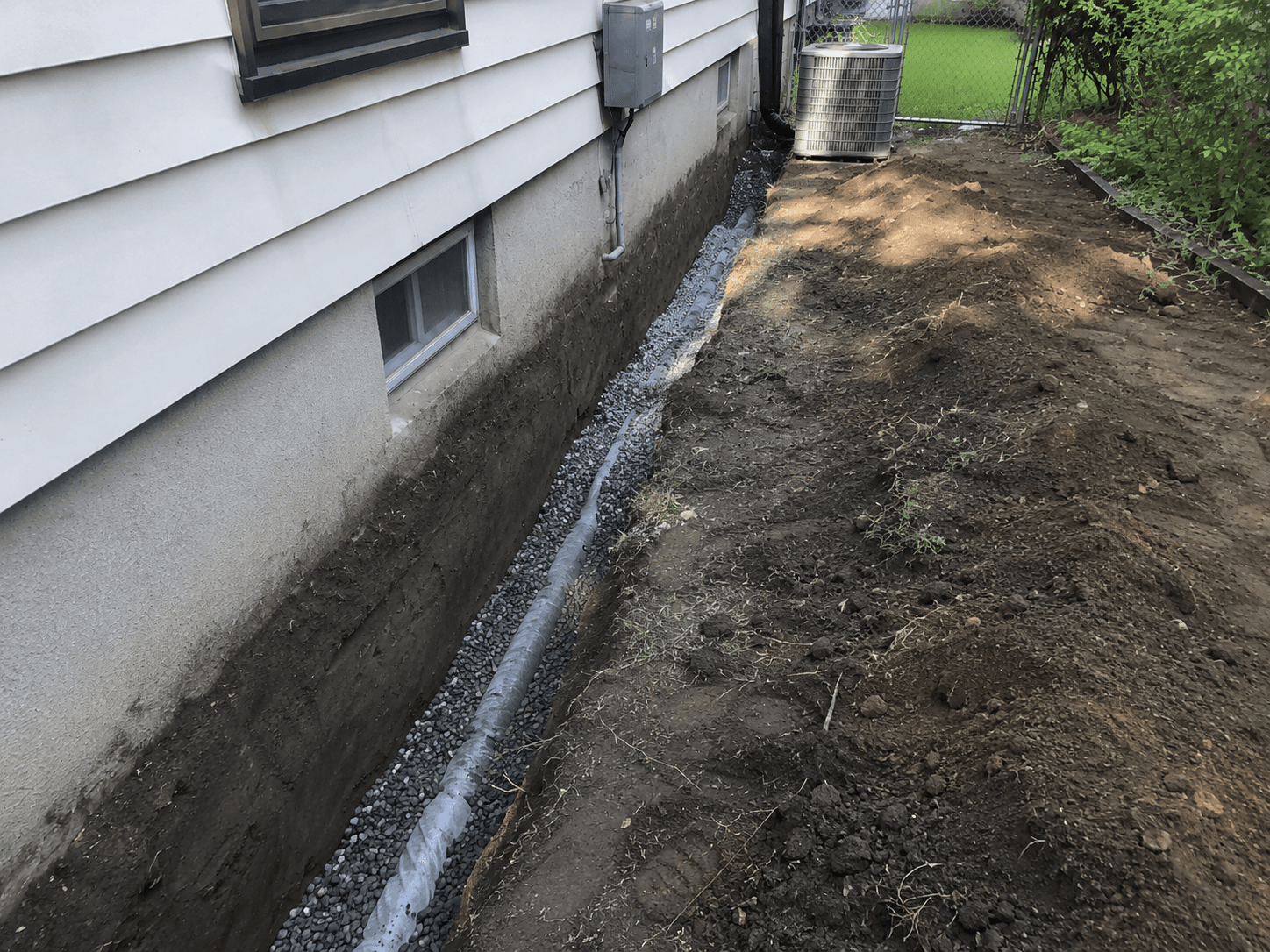
Along the foundation. The classic application. A perimeter French drain catches water moving through the soil before it reaches the foundation wall, then carries it to an outlet well away from the house. Often paired with regrading and downspout extensions.
Behind retaining walls. Every properly built retaining wall needs drainage behind it, and a French drain is almost always how that's done. Without it, hydrostatic pressure builds up and walls fail.
At the base of a slope. Where water naturally collects after running downhill. A French drain across the bottom of a slope intercepts the water and routes it sideways to a safe outlet.
Along a soggy property line. Especially common when a neighboring yard is higher than yours or when older neighborhoods have shared drainage patterns that send everyone's water through your lot.
Around patios, sport courts, and outbuildings. Anywhere a hardscape or structure is sitting on ground that holds water, a perimeter drain extends the life of the structure and keeps the surrounding soil workable.
Through soggy lawn areas. A French drain run lengthwise through a chronically wet stretch of yard, sometimes combined with regrading on top, can take a previously unusable area back into normal turf.
How a Moku French Drain Project Runs
Step 1: Walk the property and find the water source. Before we quote anything, we look at where the water is coming from, where it's collecting, and where it could go. If grading or a downspout fix would do the job better, we'll tell you. If a French drain is the right call, we map out the run.
Step 2: Mark utilities and plan the trench. We call in locates and plan the trench depth and route to hit consistent slope from start to outlet. Slope is the difference between a drain that works for twenty years and a drain that fails the first wet spring.
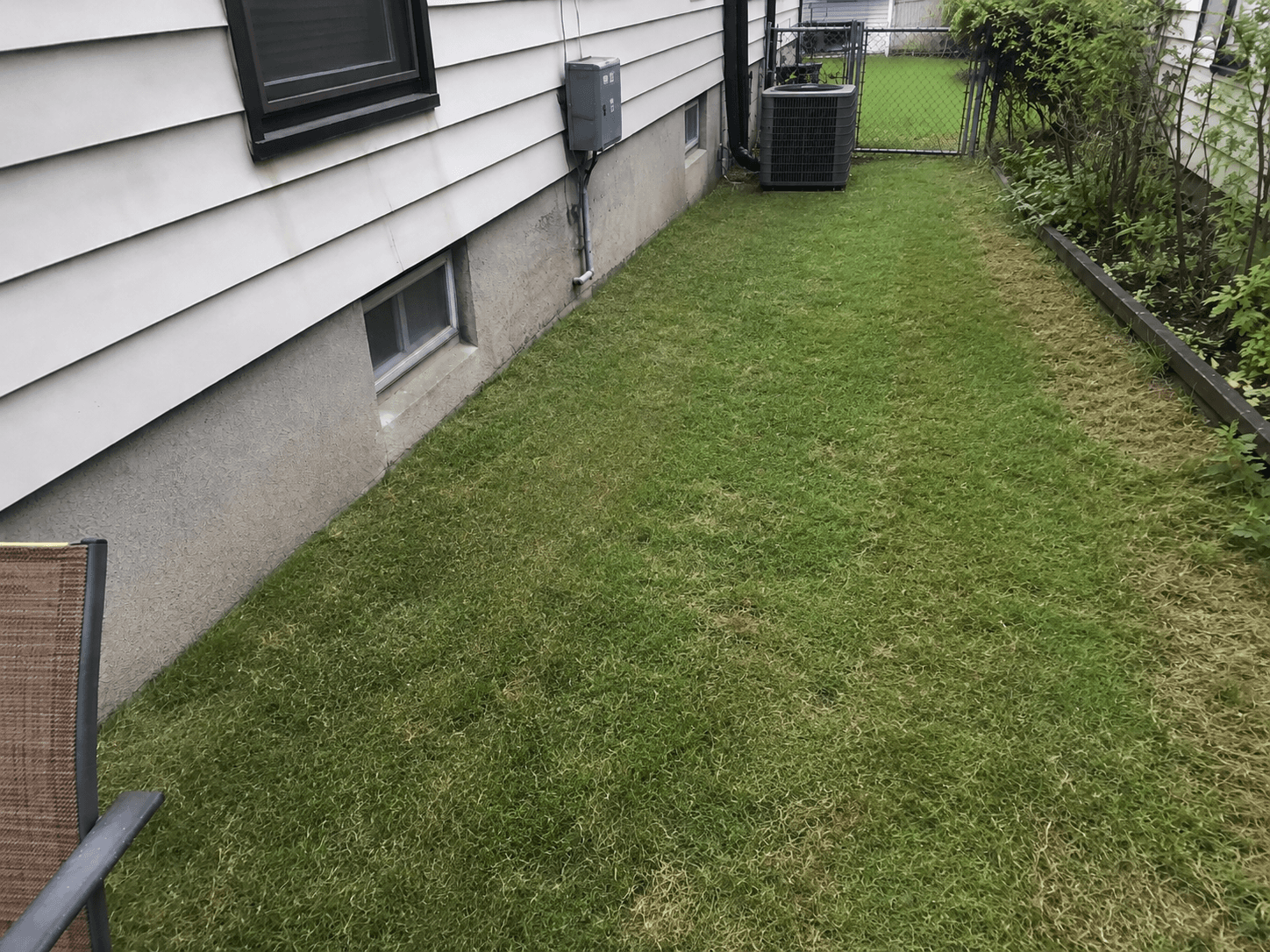
Step 3: Dig, line, rock, pipe, cap. Trench gets dug, filter fabric goes in, washed rock fills the trench around perforated pipe set to grade, fabric wraps over the top, and we restore the surface with soil and sod or with decorative rock if it's a visible run.
Step 4: Test the outlet and walk you through it. We confirm water flows where it's supposed to, restore the yard, and show you what the system looks like and where the access points are. Most French drains are nearly maintenance-free, but we'll point out the few things worth checking after big storms.
Anatomy of a French Drain
A French drain works because every layer has a job. Skip the fabric and it clogs. Skip the slope and it sits. Skip the outlet and the water has nowhere to go.