When Pruning Is the Right Move
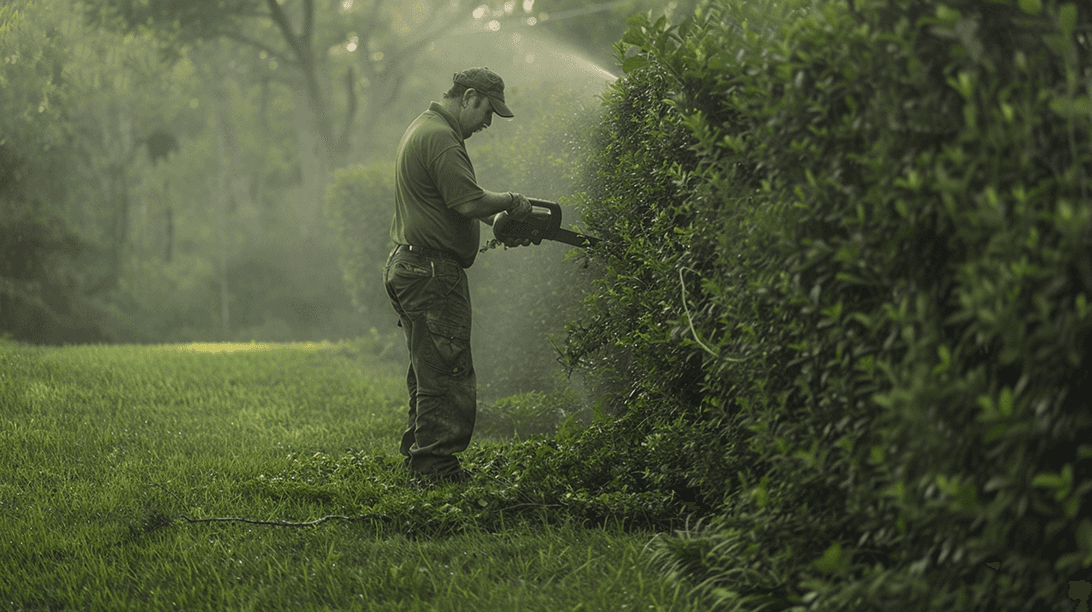
Foundation shrubs that have outgrown the house and are blocking windows or air circulation
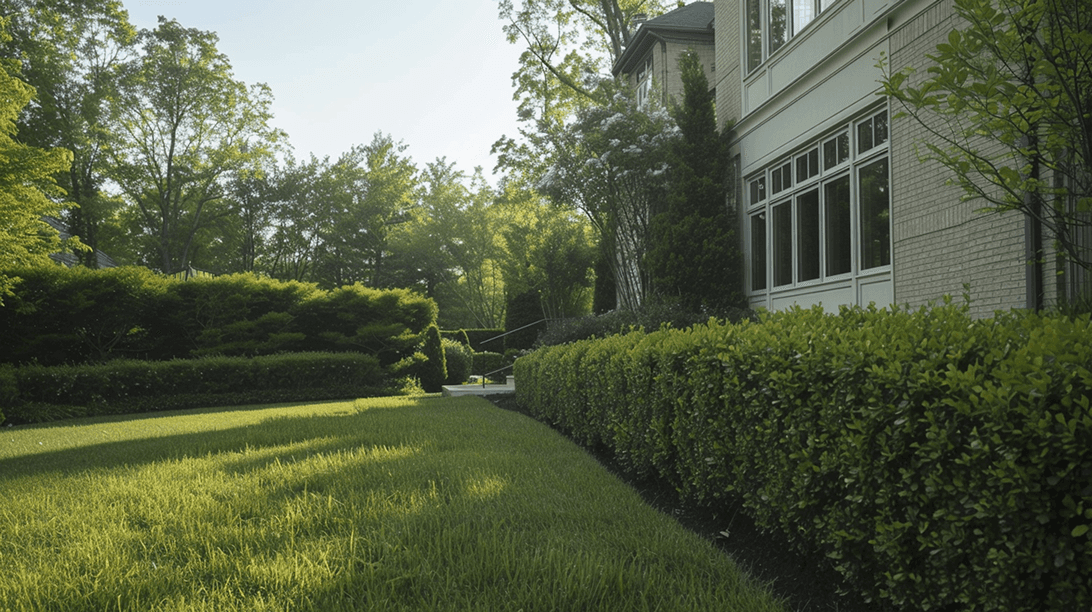
Hedges that need a clean defined edge for visual structure
Spring-blooming shrubs that need timing-specific pruning to preserve next year's blooms
Overgrown plants that are hiding pathways, driveways, or hardscape
Shrubs that have gotten leggy or sparse and need rejuvenation pruning
Specimen plants that need shaping to maintain their form
Storm damage repair or removal of dead/diseased wood
Ornamental grasses and perennials needing seasonal cutbacks
The goal is rarely to make plants smaller for their own sake. It's to keep them healthy, in scale with the space, and looking the way you want them to look.
What's On This Page
Why Pruning Matters More Than Most People Think
Pruning Techniques We Use
Common Trimming Projects
Our Process
FAQs
Why Pruning Matters More Than Most People Think
Most Bad Pruning Comes from Three Wrong Beliefs
Drive through any Lincoln neighborhood and you'll see plants that have been pruned badly. Shrubs sheared into spheres regardless of their natural form. Hedges thinning at the bottom because they were cut wider at the top than the base. These mistakes come from three beliefs that don't hold up.
Belief 1: All pruning looks the same. Different plants need different techniques. Flowering shrubs need selective thinning cuts that preserve next year's bud sites. Hedges need shearing for density. Native shrubs often need very minimal pruning.
Belief 2: Pruning more is better. Most plants can handle 1/3 of their volume being removed in a single year, at most. Cutting more than that stresses the plant and can kill it.
Belief 3: Timing doesn't really matter. It matters enormously. Pruning a spring-flowering shrub in fall cuts off all of next year's flowers. The calendar is part of the pruning technique.
We approach each plant individually. What species is it? What's its current condition? What's the goal? Then the right cuts get made.
Pruning Techniques We Use
Pruning Cuts and Timing
Thinning cuts remove entire branches back to the trunk. The healthiest type of cut.
Heading cuts trim a branch back to a bud or side shoot. Used for shaping, controlling size, and encouraging fuller growth. Most hedge trimming is heading cuts.
Rejuvenation cuts are hard cuts removing a large portion of the plant to force vigorous new growth. Right for certain deciduous species but not most evergreens.
Cleanout pruning removes dead, damaged, diseased, or crossing branches. First step on any pruning visit.
Sharp tools make clean cuts. Dull tools crush and create wounds.
Timing rules. Spring-bloomers (forsythia, lilac, viburnum) pruned right after bloom. Summer-bloomers pruned in late winter or early spring. Evergreens pruned in late winter or very early spring. Ornamental grasses cut back to 4 to 6 inches in late winter. Getting the timing right is half the work.
Common Trimming Projects
Trimming Projects We Handle
Foundation shrub pruning. Keeps shrubs in scale, prevents window blocking. Usually 1 to 2 visits per year.
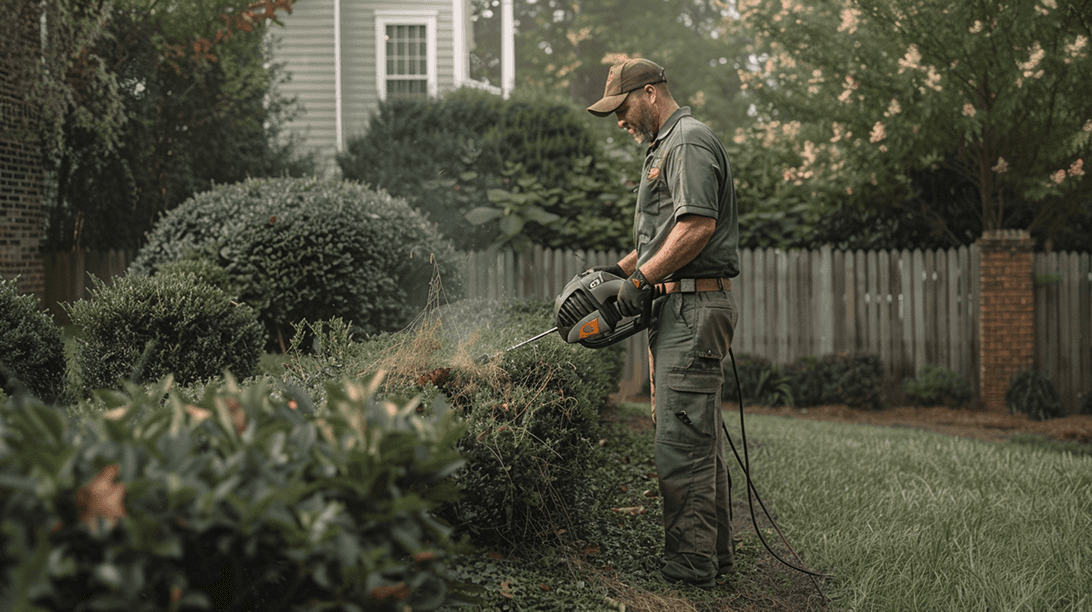
Hedge trimming. Formal hedges (boxwood, privet, yew, arborvitae) trimmed for clean defined faces. 2 to 4 trims per growing season.
Flowering shrub pruning. Timed pruning for forsythia, lilac, hydrangea, viburnum. Done immediately after bloom or in late winter depending on species.
Rejuvenation pruning. Hard pruning to bring leggy or overgrown shrubs back to a fuller form.
Specimen plant shaping. Maintaining the form of standout plants like Japanese maples.
Ornamental grass cutback. Late winter, every grass cut back to 4 to 6 inches.
Perennial cutback. Late fall or early spring cleanout of perennials.
Storm damage and dead wood removal. As-needed.
Tree pruning (limited scope). Light pruning on small trees. Larger trees or climbing work we refer to specialized arborists.
Most clients use us on a maintenance schedule (1 to 4 visits per year) or for one-time corrective pruning.
Our Process
How a Moku Pruning Visit Runs
Step 1: Walk the property and identify the work. Not every plant needs pruning on every visit.
Step 2: Confirm timing and approach. Work through the property species by species.
Step 3: Prune properly. Sharp tools, correct cuts, appropriate volume. Cleanout first, then shape adjustment.
Step 4: Clean up. All debris hauled away. Beds left clean.
Step 5: Note what's next. We track what was done and what each plant should need next, so plant care compounds over time.