When Power Washing Restores More Than It Cleans
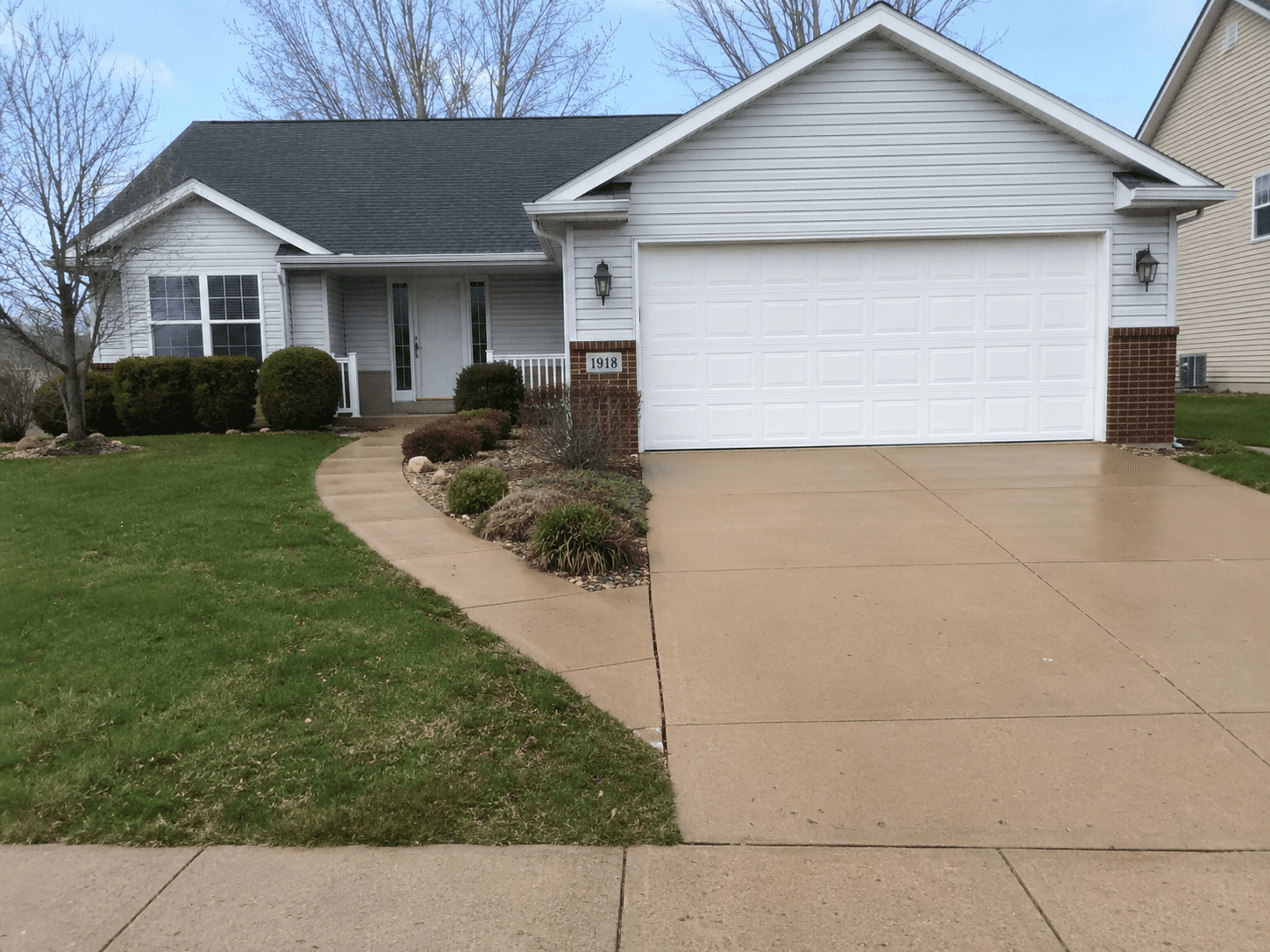
House siding stained with mildew, algae, or that dark gray buildup that won't rinse off
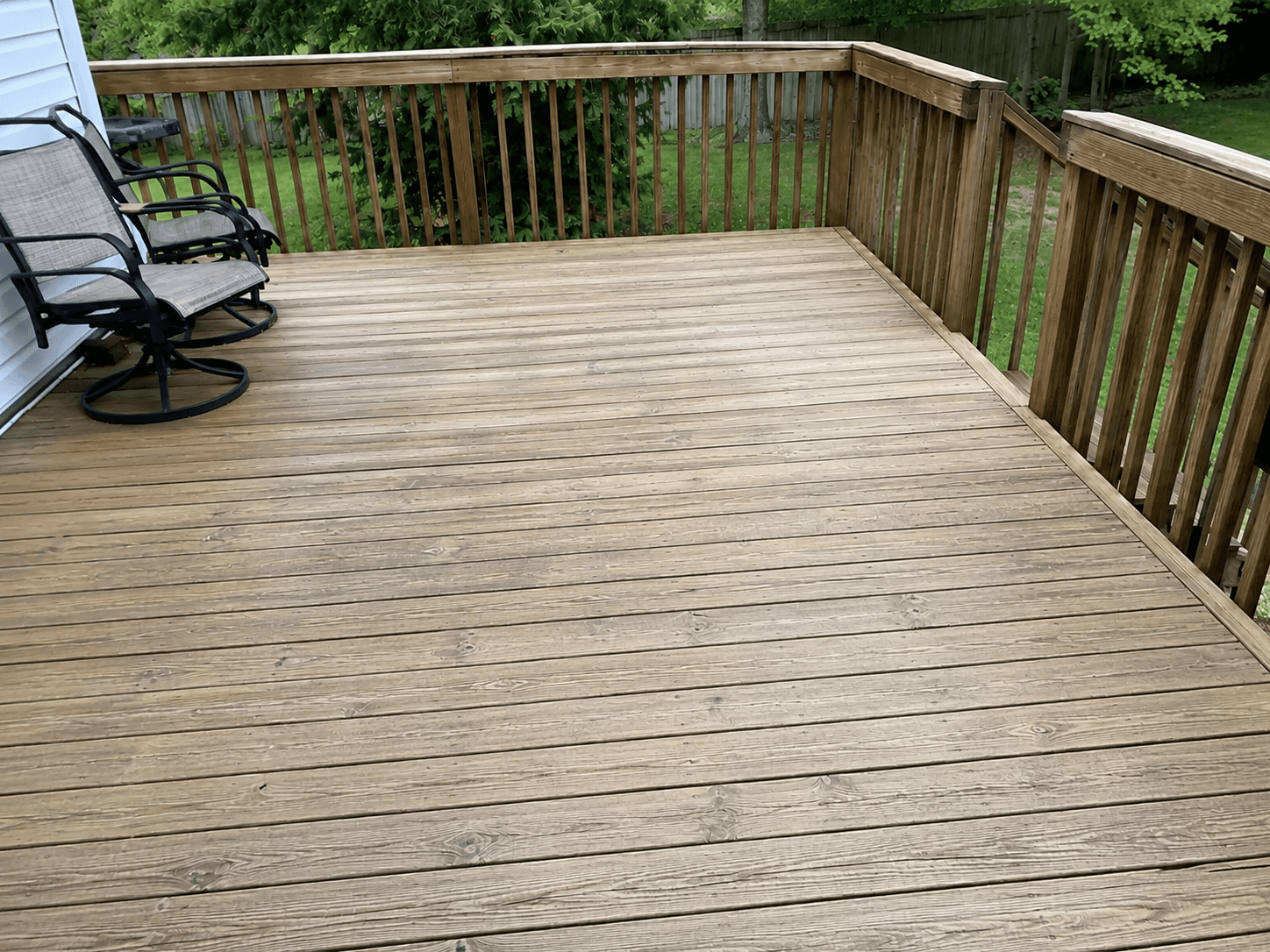
A deck or wood fence that's lost its color and looks weathered
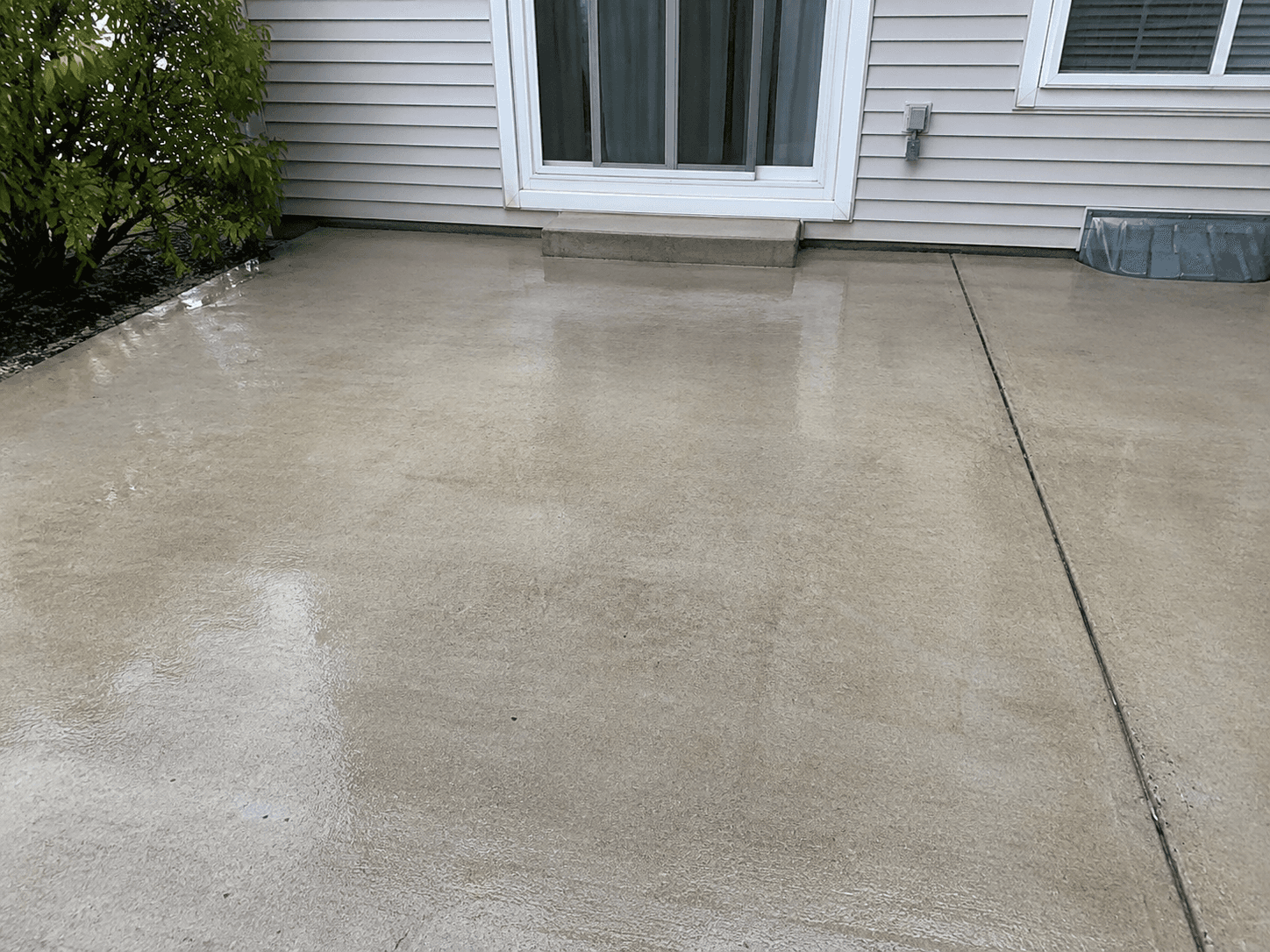
A concrete patio or driveway with embedded dirt, oil stains, or moss
Brick or stone pavers with weeds and dirt locked between the joints
A garage floor that needs to look like a garage floor again
Outdoor furniture, retaining walls, or hardscape that's seen better days
Commercial property exteriors, sidewalks, or entries that need to look professional
All of these clean up dramatically with the right pressure washing approach, and most are quick jobs that take a couple of hours, not a couple of days.
What's On This Page
Pressure Washing vs Soft Washing
Why Power Washing Works So Well
Most outdoor surfaces don't actually wear out, they just accumulate gunk. Vinyl siding doesn't fade so much as get coated in mildew. Concrete doesn't lose its color so much as get embedded with dirt and oil. Wood decks don't rot from age so much as from biological growth that holds moisture against the surface.
Properly applied pressure washing strips off the accumulated buildup and reveals the actual surface underneath. The transformation is sometimes startling. People assume their siding is fading or their patio is just "old" and discover after a clean that the original color and texture were sitting under a layer of grime the whole time.
There are two ways pressure washing typically goes wrong:
Too much pressure for the surface. Vinyl siding, painted wood, soft mortar, old caulking, and weathered decking can all be damaged by pressure that's appropriate for concrete. High pressure forces water behind siding, into wood grain, and through caulk joints, where it causes problems weeks or months later.
No cleaning solution where it's needed. Pure water blasts off surface dirt but doesn't kill the mildew, algae, and biological growth that actually causes most of the discoloration. Without proper cleaning solution, the surface looks better for a few weeks and then the staining returns because the underlying growth was never addressed.
We match the pressure and the solution to the surface. Vinyl siding gets a soft wash with mild biodegradable detergent. Concrete patios get higher pressure plus surface cleaner attachments. Wood decks get soft wash with brightener. Different jobs, different tools.
Surfaces We Clean (and the Right Approach for Each)
Two Approaches, Different Jobs
Most people use "power washing" and "pressure washing" interchangeably, but there are actually two different cleaning techniques that fall under this umbrella, and using the wrong one is how surfaces get damaged.
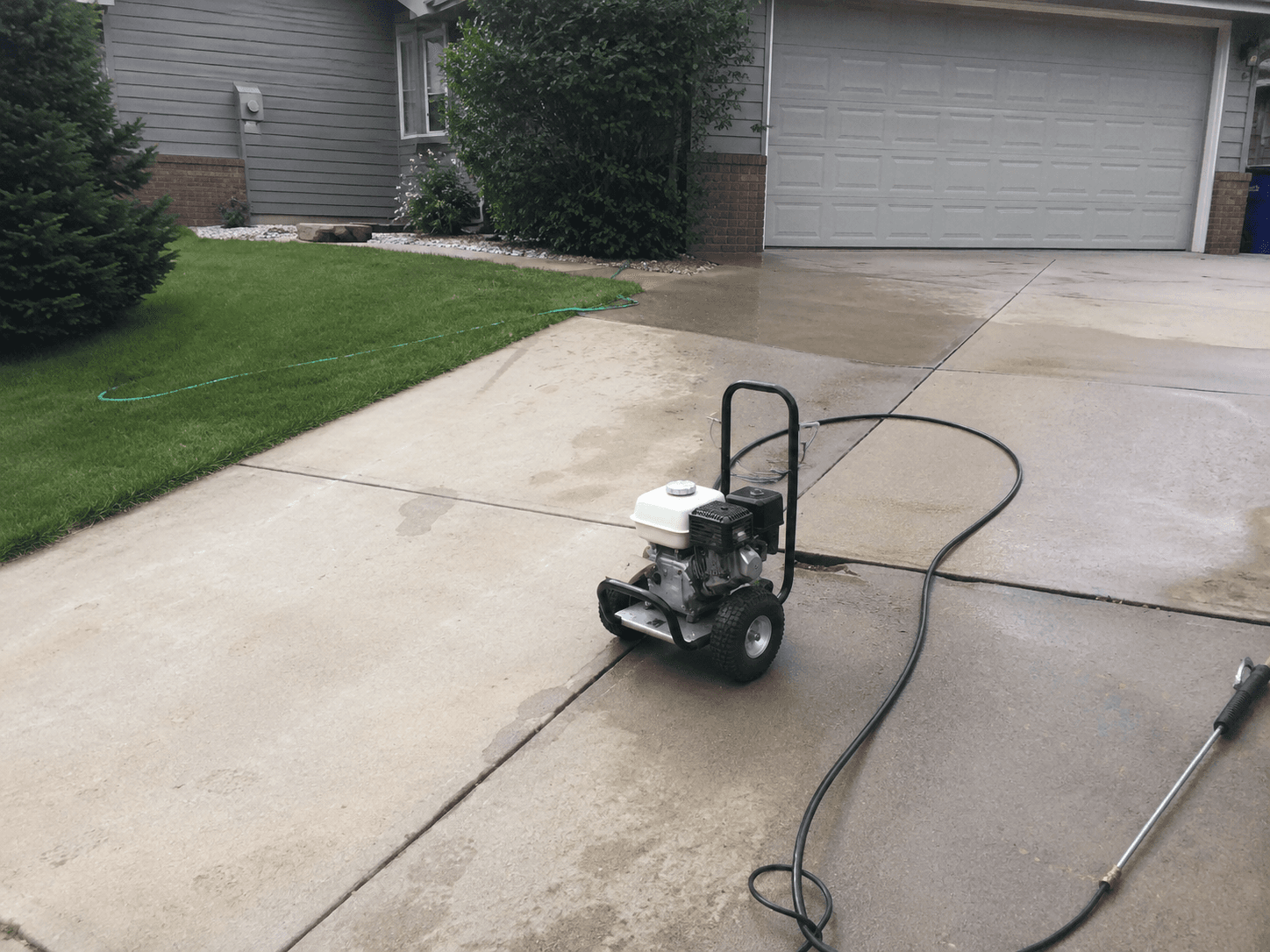
Pressure washing uses high-pressure water (2,000 to 4,000 PSI) to physically blast dirt, grime, and buildup off a surface. It's the right approach for hard, durable surfaces, concrete, brick, stone, metal. High pressure cleans these surfaces fast without harming them.
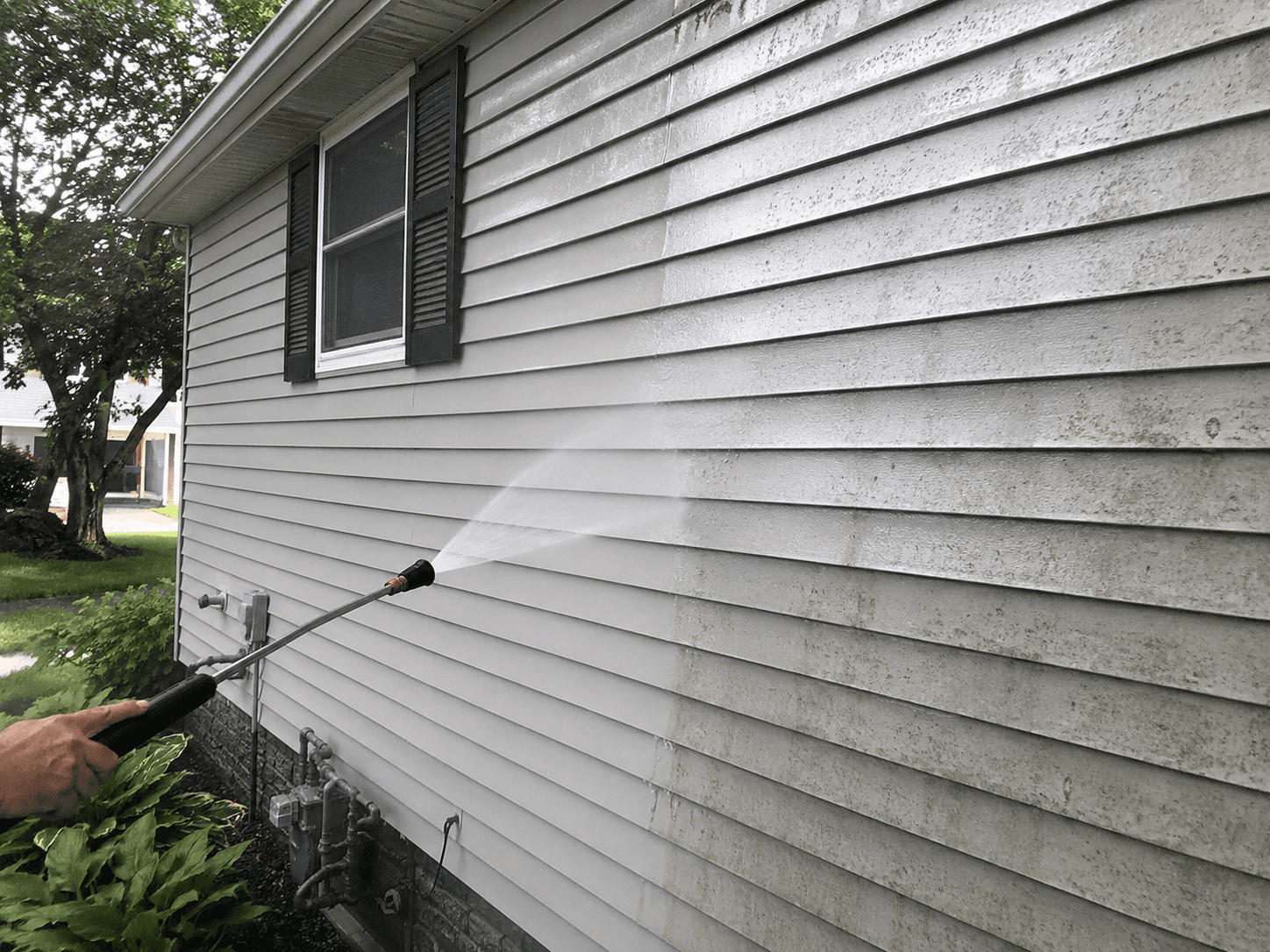
Soft washing uses low pressure (under 500 PSI) combined with cleaning solutions that do the work chemically rather than mechanically. The pressure is barely more than a strong garden hose. The cleaning happens through the detergent breaking down mildew, algae, and dirt at the surface level. This is the right approach for softer, more delicate surfaces, vinyl siding, painted wood, stained decks, fences, roofs.
Using pressure washing on a surface that needs soft washing is one of the most common mistakes in this industry. It strips paint, gouges wood, forces water behind siding, damages caulking, and can void warranties. We use the right approach for each surface, and a lot of our work is actually soft washing rather than high-pressure cleaning, even when it's called "power washing" by the homeowner.
What We Clean
Surfaces and Projects We Handle
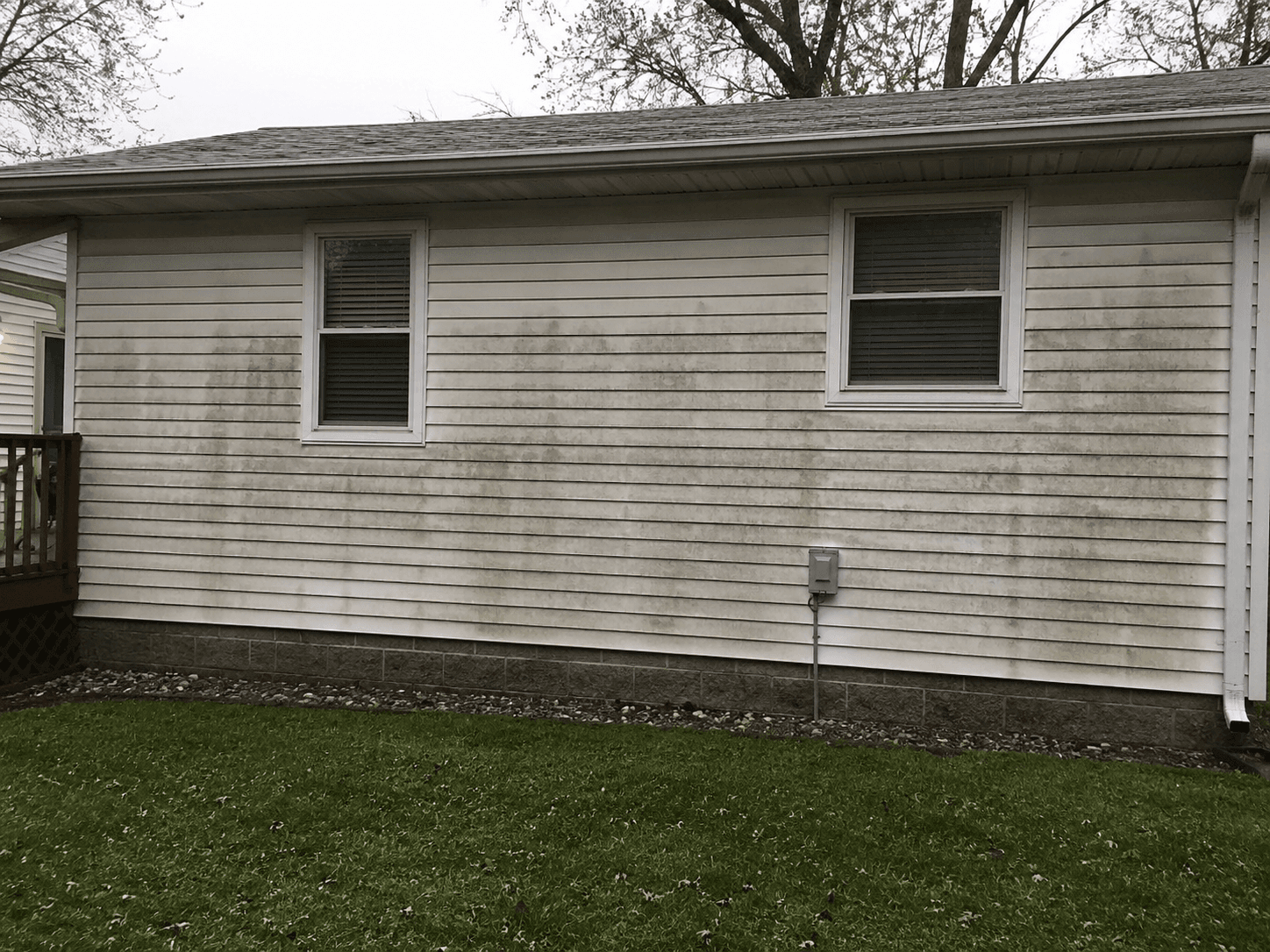
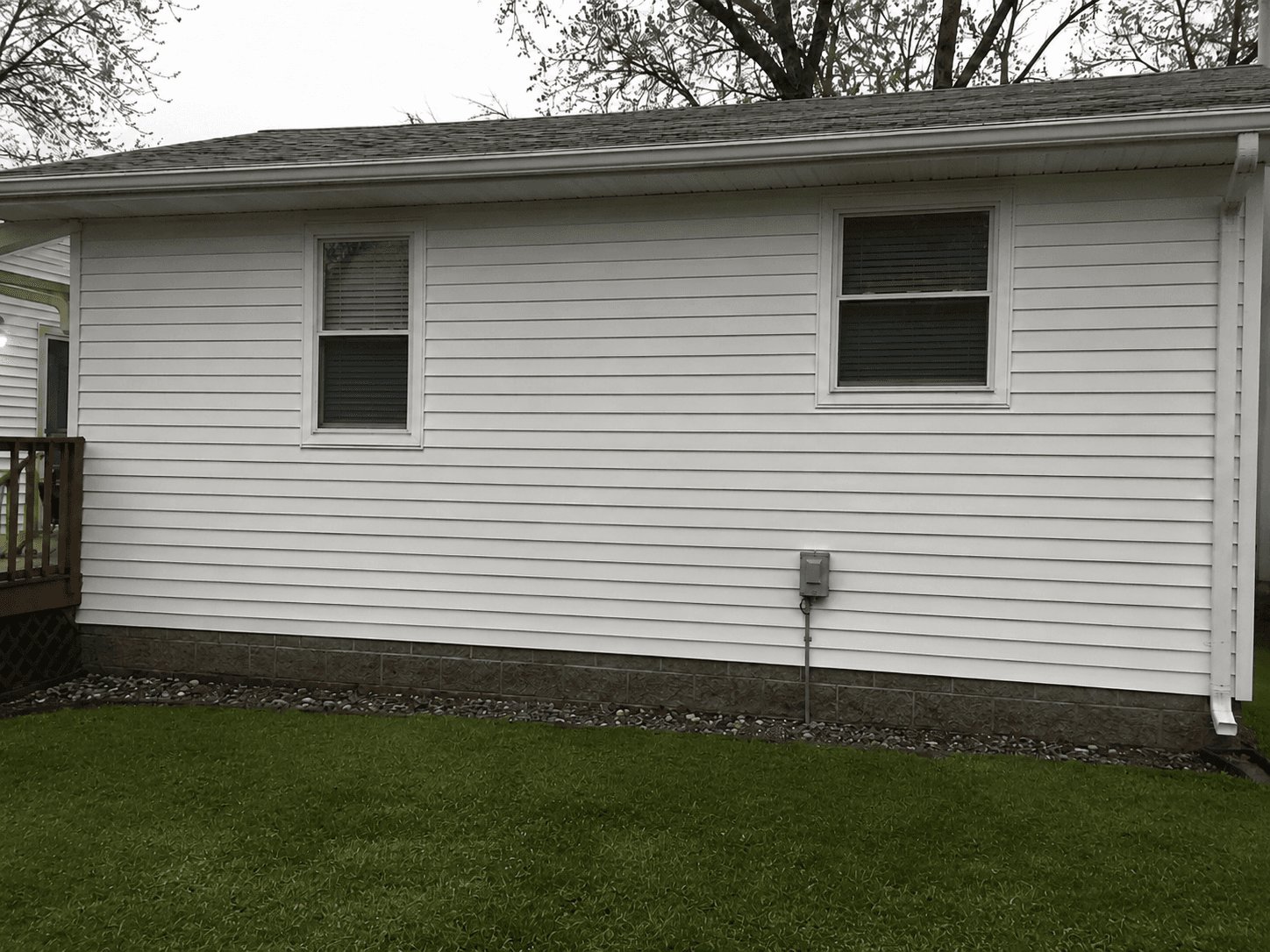
Vinyl siding (soft wash). The most common job. Vinyl siding picks up mildew streaks, algae, and that gray dirt buildup, especially on north-facing walls and shaded areas. A proper soft wash with the right solution restores it to original color and prevents the growth from coming back quickly.
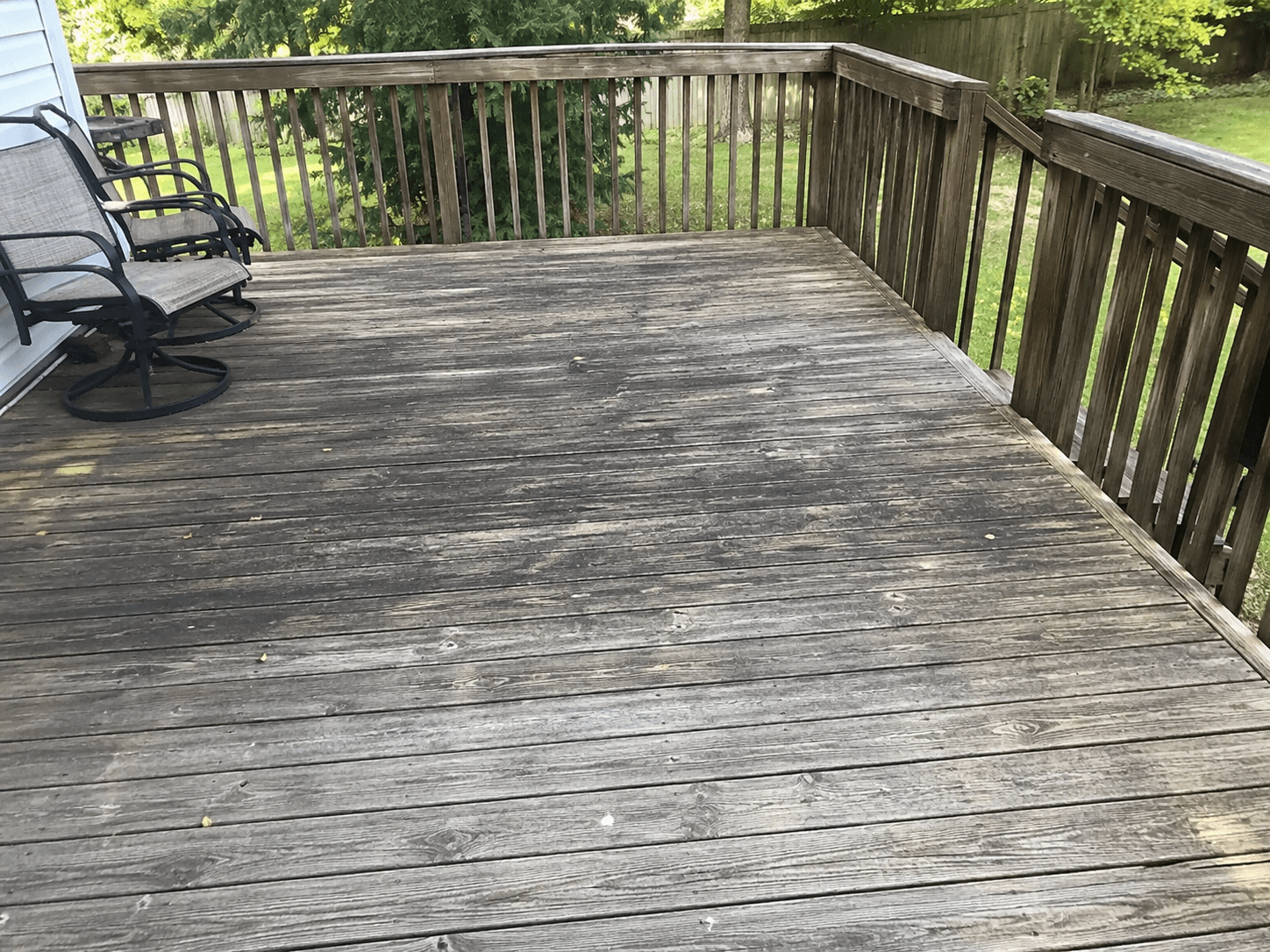
Wood decks and fences (soft wash with brightener). Decks and fences gray out from sun and pick up mildew from moisture. A soft wash with wood brightener restores the color and prepares the wood for staining or sealing if that's the next step. We don't do refinishing, but we leave the surface ready for it.
Concrete patios, driveways, and sidewalks (pressure wash). Embedded dirt, oil stains, mildew, and moss all come off with the right pressure and a surface cleaner attachment. Concrete cleans up faster than almost anything, and the difference between before and after is often dramatic.
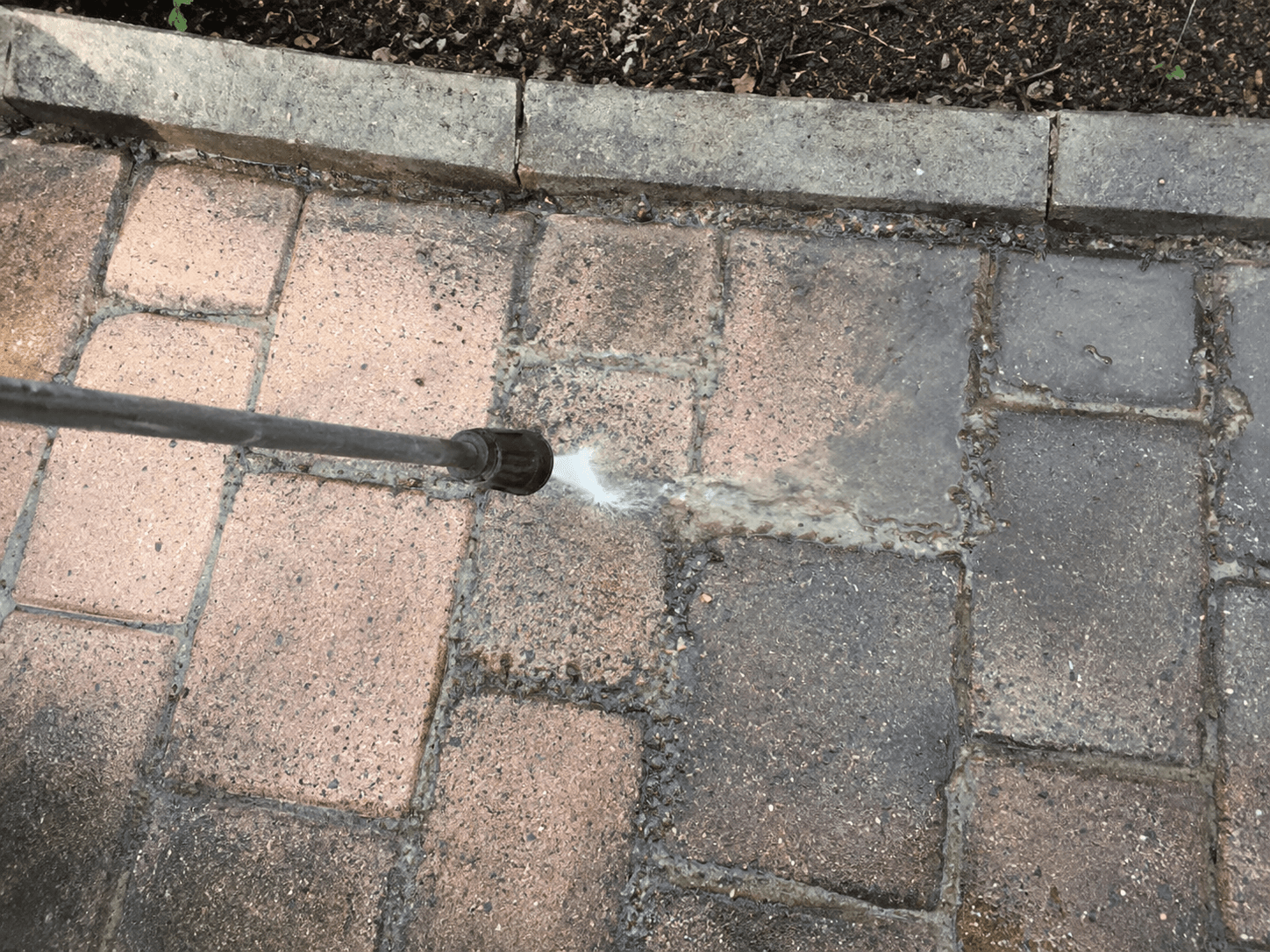
Brick and paver hardscape (pressure wash). Pavers and brick pick up dirt, weeds, and moss in the joints. We clean the surface and the joints, and can recommend re-sanding if the joints need it after cleaning.
Outdoor furniture, retaining walls, and stone (varies). Pressure or soft wash depending on the material. We adjust the approach for each piece.
Garage floors and shop concrete (pressure wash). Oil, grease, tire marks, and embedded dirt. The right surface cleaner makes garage floors look almost new.
Commercial properties (varies). Storefronts, sidewalks, entries, dumpster areas, drive-thru lanes. Commercial pressure washing on a schedule keeps properties looking professional. We do one-time cleanings and recurring contracts.
Our Process
How a Moku Power Washing Job Runs
Step 1: Walk the property and identify what needs cleaning. Some homeowners want a full exterior wash. Others want just the siding, or just the patio, or just the deck. We look at what you've got, identify which surfaces need which approach, and quote the job.
Step 2: Prep the area. Move outdoor furniture, cover plants if they're sensitive, close windows on walls we're washing, and make sure pets are inside. We handle most of this, but the more accessible we can get to the surfaces, the cleaner and faster the job.
Step 3: Clean the right way for each surface. Soft wash on vinyl siding and wood. Pressure wash on concrete, brick, and stone. The right cleaning solution for each surface. We work in a logical order so dirty water from higher surfaces doesn't undo the work on lower ones.
Step 4: Rinse, inspect, and wrap. Final rinse to clear any residue, walk the property with you to make sure everything looks the way it should, and clean up our equipment. Most residential jobs take half a day.